
A Parent Guide to Back-to-School Immunization and Health Compliance

August marks both National Wellness Month and National Immunization Awareness Month. It is a fitting time for families to make sure their health records are up to date before the new school year begins. Immunization requirements can feel like a maze of paperwork, but a little preparation now saves a lot of stress later.

Why Immunization Compliance Matters

South Carolina requires children in licensed childcare and school settings to meet specific immunization standards before enrollment. These requirements protect not just your own child, but the entire classroom community, especially the youngest and most vulnerable children. Staying current also means fewer disruptions once the school year begins, since missing records can delay a child’s start date.

What Parents Need to Gather

Getting organized early makes this process far less stressful. Here’s what most South Carolina childcare and school programs will ask for:

  • Updated immunization records from your child’s pediatrician
  • A current physical exam form, if required by your provider
  • Proof of any required health screenings
  • Documentation of any medical or religious exemptions, if applicable

Reach out to your pediatrician’s office early in August, since many practices see a surge in appointment requests closer to the school year. Booking now avoids the late-summer rush.

How Health Compliance Connects to Enrollment

Health documentation is often one of the last steps before a child can start at a new program. Our post on what to look for in a licensed daycare touches on the health and safety standards that quality centers are required to meet, immunization compliance among them.

Making the Appointment Easier

A visit to the doctor’s office can feel overwhelming for a young child, especially with shots involved. Talking through what to expect in simple, honest language ahead of time tends to help more than surprising a child at the appointment. Bringing a comfort item or planning a small reward afterward can also ease the moment. Consistency and preparation matter here just as much as they do with any other part of getting ready for a new school year.

What We Do to Support Families

At Abundant Blessings CDC, our enrollment team walks families through exactly what documentation is needed, so nothing falls through the cracks. We’re always happy to answer questions about requirements or point families toward local health resources if records need updating.

FAQs

What if my child’s immunizations are not up to date before school starts? Contact your pediatrician right away to schedule missing vaccines. Most offices can prioritize back-to-school appointments in August.

Are there exemptions to South Carolina’s immunization requirements? Yes, medical and religious exemptions exist, but they require specific documentation. Your program can guide you through the process.

How early should I start gathering health records? Early August is ideal, giving pediatrician offices time to fit you in before appointments fill up closer to the school year.

Key Takeaways

  • South Carolina childcare programs require updated immunization records before enrollment.
  • Scheduling pediatrician visits early in August helps avoid the back-to-school rush.
  • Health compliance protects the whole classroom community, not just one child.
  • Our enrollment team is here to help families navigate the paperwork.

Our team at Abundant Blessings CDC is always ready to help families sort through enrollment requirements, immunizations included. Have questions about what your child needs before their first day? Contact us and we’ll walk you through it.

The Abundant Blessings Child Development Center
📍 1005 E Blackstock Rd Moore, SC 29369
📞 (864) 574-0910
📧 abundantblessings1005@gmail.com
🌐 abundantblessingscdc.org

Smart Routines to Ease Back-to-School Anxiety for Young Learners

A little nervousness before school starts is common, even for children who love their classroom. New teachers, new faces, and a new schedule can feel like a lot all at once. The good news is that a few simple routines can turn that nervous energy into steady confidence.

Why Young Children Feel Back-to-School Anxiety

Change is hard for anyone, but especially for a child whose sense of security depends heavily on routine. A new classroom means new expectations, new friends to make, and sometimes a new teacher entirely. Even children who are excited on the surface may feel some worry underneath. Recognizing this is the first step toward easing it.

Routines That Build Confidence Before the First Day

Predictability calms anxious feelings more than almost anything else. A few weeks of practice before school starts can make a real difference.

  • Start shifting bedtime and wake times earlier, gradually
  • Practice the morning routine, from breakfast to shoes
  • Visit the classroom or campus ahead of time if possible
  • Read books about starting school to normalize the experience
  • Talk through what a typical day will look like, step by step

Our post on supporting your child’s transition to kindergarten offers more ideas for families navigating this exact milestone.

Creating a Calm Morning Routine

Rushed mornings tend to amplify anxiety, so a steady rhythm helps enormously. Try laying out clothes the night before and keeping breakfast simple and familiar. A short, consistent goodbye ritual, like a special handshake or a wave at the door, gives children a sense of closure. Long goodbyes often make separation harder, not easier, so a brief and warm farewell tends to work best.

Building Independence Reduces Worry Too

Confidence often comes from feeling capable, not just from feeling reassured. Children who can manage small tasks on their own, like zipping a coat or opening a lunch container, tend to feel more secure in a new environment. Our post on building independence before kindergarten walks through some everyday ways to practice this at home.

What Our Classrooms Do to Ease the Transition

Consistent routines are part of every day here, not just the first week. Teachers greet each child by name, follow predictable schedules, and give plenty of encouragement during moments of change. Familiar faces and steady expectations go a long way toward helping anxious feelings settle.

FAQs

My child cries at drop-off every morning. Is that normal? 

Yes, very common in the first few weeks. Most children settle within minutes once a consistent goodbye routine is in place.

Should I stay longer if my child seems upset? 

A brief, warm goodbye usually helps more than lingering. Extended goodbyes can make separation feel harder for both of you.

How long does back-to-school anxiety typically last?

Most children adjust within two to four weeks as new routines start to feel familiar.

Key Takeaways

  • Predictable routines ease anxiety more than reassurance alone.
  • A brief, consistent goodbye ritual helps children settle faster.
  • Independence with small tasks builds real confidence.
  • Most adjustment periods resolve within a few weeks.

Our preschool and kindergarten-readiness programs are built around steady routines that help children feel secure from day one. Want to see how we support a smooth start to the school year? Contact our team to schedule a visit.

The Abundant Blessings Child Development Center
📍 1005 E Blackstock Rd Moore, SC 29369
📞 (864) 574-0910
📧 abundantblessings1005@gmail.com
🌐 abundantblessingscdc.org

Why Problem-Solving Skills Matter in Early Childhood Development

Watch a preschooler try to fit a puzzle piece the wrong way a dozen times before finding the right spot, and you’re watching something important happen. Problem-solving is one of the quiet superpowers of early childhood. It shapes how children think, adapt, and handle challenges for years to come.

What Problem-Solving Really Looks Like at This Age

Problem-solving for a three or four-year-old rarely looks like sitting still with a worksheet. It looks like figuring out how to reach a toy on a high shelf, negotiating whose turn it is next, or building a tower that keeps falling over. These moments may seem small, but each one builds a child’s confidence in their own thinking.

Why These Early Skills Matter So Much

Children who practice problem-solving early develop stronger flexibility when things do not go as planned. They learn to try a new approach instead of giving up, and that persistence carries into kindergarten and beyond. Problem-solving also supports emotional growth, since working through frustration calmly is itself a skill worth practicing.

Everyday Ways We Build This Skill

At Abundant Blessings CDC, problem-solving happens naturally throughout the day, not as a separate lesson.

  • Open-ended block play, where there is no single right answer
  • Group games that require taking turns and cooperation
  • Simple classroom jobs that ask children to think through steps
  • Guided questions instead of quick answers, like “what could we try next?”
  • Stories with characters who face and solve a challenge

Our approach to play-based learning leans heavily on this kind of exploration. Children figure things out through hands-on discovery rather than being told the answer outright.

Letting Kids Struggle a Little, on Purpose

It can be tempting to jump in the moment a child gets stuck. But a bit of productive struggle is exactly where learning happens. Giving a child a few extra seconds to think through a problem, rather than solving it for them, builds real confidence over time. Our teachers are trained to ask guiding questions instead of handing over solutions right away.

Supporting Problem-Solving at Home

You do not need special toys or activities to nurture this skill. Everyday chances come up constantly. Ask open-ended questions like “how do you think we could fix that?” instead of stepping in immediately. Let your child attempt small tasks independently, even if it takes longer. Celebrate effort and thinking, not just the final result.

FAQs

My child gets frustrated quickly when something is hard. Is that normal? 

Very normal. Frustration tolerance grows gradually, and calm encouragement helps more than quick rescues.

Should I let my toddler struggle with tasks? 

A little struggle is healthy and builds resilience. Step in only if frustration turns into real distress.

How is problem-solving connected to kindergarten readiness? 

Strong problem-solving supports following multi-step directions, working through mistakes, and adapting to new classroom routines.

Key Takeaways

  • Problem-solving grows through everyday play, not formal lessons.
  • A little productive struggle builds confidence and resilience.
  • Guided questions help more than quick answers or rescues.
  • These early skills support flexibility and persistence later on.

Our preschool and 4K programs build problem-solving into daily play, not as an add-on. Want to see how our classrooms encourage independent thinking? Contact our team to schedule a visit.

The Abundant Blessings Child Development Center
📍 1005 E Blackstock Rd Moore, SC 29369
📞 (864) 574-0910
📧 abundantblessings1005@gmail.com
🌐 abundantblessingscdc.org
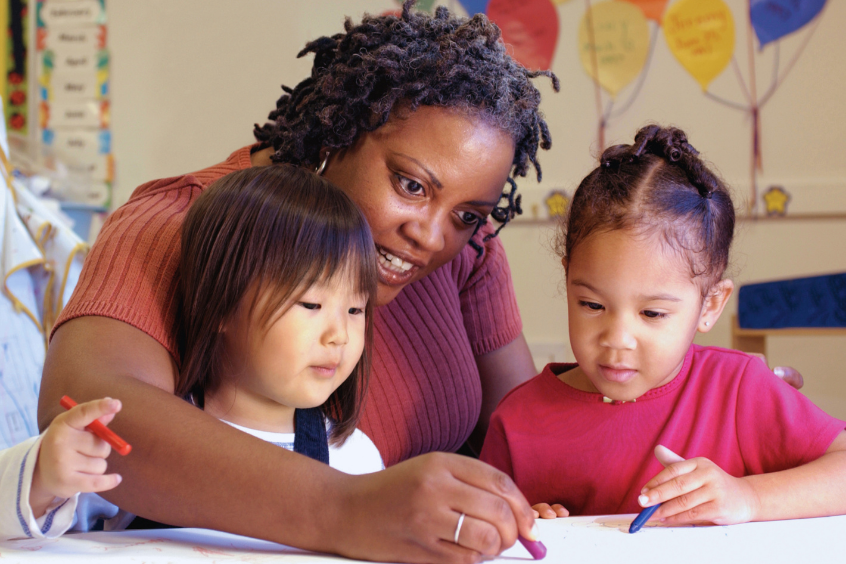
Daily Practices for Teaching Toddlers Empathy and Respect

Be Kind to Humankind Week runs August 25 through 31, and it’s a wonderful nudge to focus on something we care about every day at Abundant Blessings CDC. Empathy is not a trait toddlers arrive with fully formed. It grows through everyday moments, guided gently by the adults around them.

Why Empathy Takes Practice

Toddlers are naturally self-focused, and that is completely normal at this age. Understanding how someone else feels is a skill that develops slowly, alongside language and self-control. A two-year-old who grabs a toy is not being unkind. They simply have not yet learned another way to get what they want.

Everyday Moments That Build Empathy

You do not need a lesson plan to teach kindness. Some of the richest moments happen during ordinary parts of the day.

  • Naming feelings out loud, like “I see you’re frustrated”
  • Pointing out when a friend looks sad or happy
  • Modeling gentle touches with pets, siblings, or dolls
  • Encouraging simple acts like sharing a snack or a toy
  • Reading books that show characters helping one another

These small, repeated moments matter far more than a single big conversation. Our post on handling peer conflict in preschool goes deeper into how we guide children through these bumps in real time.

How We Practice Respect in the Classroom

Respect looks different for a toddler than it does for an older child, and we meet them where they are. Teachers narrate emotions throughout the day, model calm responses to conflict, and celebrate small acts of kindness as they happen. When one child comforts another who is upset, we point it out. Recognition helps behavior stick.

Group activities are designed with cooperation in mind rather than competition. Children learn to wait, to ask before joining play, and to notice when a friend needs help. Over time, these habits become second nature.

Supporting Empathy at Home

Parents play the biggest role in this growth, even more than a classroom can. Narrate your own feelings sometimes, since children learn a great deal from watching adults model emotional honesty. Praise kind moments specifically, rather than offering a general “good job.” Saying “that was kind, you helped your sister” teaches more than praise alone. Role-playing sharing with favorite toys at home also reinforces what your child practices during the day.

FAQs

My toddler still grabs toys from others. Is that a problem? 

Not at all. Sharing and turn-taking are learned skills that develop gradually through practice and modeling.

How can I encourage empathy without long conversations? 

Keep it simple. A short, specific comment in the moment works better than an extended talk after the fact.

Are some toddlers naturally more empathetic than others? 

Yes, temperament plays a role. All children can grow in empathy with consistent modeling and gentle guidance, at their own pace.

Key Takeaways

  • Empathy develops gradually through everyday guided moments, not instinct.
  • Naming feelings helps toddlers build emotional vocabulary early.
  • Recognizing kind behavior helps it repeat over time.
  • Parents and teachers both play a meaningful role in this growth.

At Abundant Blessings CDC, kindness and respect are woven into our daily preschool programs, not treated as a separate lesson. Curious how we nurture empathy in our classrooms? Contact our team to schedule a visit and see it in action.

The Abundant Blessings Child Development Center
📍 1005 E Blackstock Rd Moore, SC 29369
📞 (864) 574-0910
📧 abundantblessings1005@gmail.com
🌐 abundantblessingscdc.org

Building Healthy Preschool Habits During National Wellness Month

August is National Wellness Month, and it’s a good time to think about the small habits that shape how young children feel, learn, and grow. For preschoolers, wellness rarely requires anything complicated. Nutritious food, movement, consistent sleep, good hygiene, and attention to feelings all work together to support healthy development.

At The Abundant Blessings Child Development Center, we see how these habits take shape through everyday moments, not big lessons.

Start With Healthy Eating Habits

Young children are still developing their food preferences, and every meal is a small chance to expand them. Offering a variety of nutritious foods gives kids the opportunity to explore new tastes and textures over time. Involving children in simple tasks, like washing fruit or choosing between two healthy snacks, makes eating feel more like an adventure than a chore. Our post on brain-boosting foods for toddlers goes deeper into which nutrients matter most during these early years.

Make Movement Part of the Day

Preschoolers need plenty of chances to run, jump, dance, and climb. Active play builds coordination, balance, and confidence, all at once. Movement can double as learning too. Count jumps together, look for shapes on a walk, or turn a game into a following-directions activity. The goal is simply to keep movement woven into the everyday rhythm.

Create Consistent Sleep Habits

Rest matters just as much as activity. A predictable bedtime routine helps children understand when it’s time to slow down. Reading a story, dimming the lights, or spending a few quiet minutes talking about the day all signal that bedtime is near. Steady sleep and wake times make the rest of the daily routine easier too.

Practice Healthy Hygiene

Preschoolers are still learning how everyday habits protect their health and the health of those around them. Handwashing before meals and after outdoor play, along with covering coughs and sneezes, are simple habits worth reinforcing often. Children tend to pick these up faster when they see the adults around them doing the same.

Remember Emotional Wellness

Wellness includes emotional health too. Helping children name feelings like happy, frustrated, or tired gives them the words to express what’s going on inside. Quiet moments to talk about the day matter here, and family connection plays a real role in that emotional grounding, something we touched on in our piece on why National Parents’ Day matters for local families.

FAQs

What healthy habits should preschoolers learn? 

Habits related to nutrition, movement, sleep, hygiene, and emotional expression all build a strong foundation at this age.

How can parents make healthy habits fun? 

Turn routines into small games. Count while jumping, let kids help prepare snacks, or sing during handwashing.

Why does wellness matter so much in early childhood? 

These years are a critical window for physical, social, and emotional growth, and healthy routines support all of it.

Key Takeaways

  • Healthy habits grow through simple, repeated daily routines.
  • Nutritious food and regular movement support strong development.
  • Consistent sleep and hygiene routines ease the whole day.
  • Emotional wellness deserves just as much attention as physical health.

At The Abundant Blessings Child Development Center, our preschool and toddler programs weave wellness into daily life, not as an add-on but as part of how we care for the whole child. Want to see how we support healthy habits in our classrooms? Contact our team to schedule a visit.

The Abundant Blessings Child Development Center
📍 1005 E Blackstock Rd Moore, SC 29369
📞 (864) 574-0910
📧 abundantblessings1005@gmail.com
🌐 abundantblessingscdc.org

Why Families in Moore, SC Choose Abundant Blessings CDC

Choosing a childcare center is one of the most personal decisions a family makes. Every parent wants a place that feels safe, warm, and genuinely caring. Families across Moore, SC continue to choose Abundant Blessings CDC for exactly that reason. Here’s what sets us apart, and why so many parents feel at home here.

Our Mission: Supporting Every Child’s Growth

At Abundant Blessings CDC, our mission stays simple and clear. We provide comprehensive, results-oriented education for every child in our care. We work to close the gaps families often face when searching for quality childcare. Every resource we use helps ensure your child gets the support they need to thrive. This mission shapes classroom decisions, big and small, every single day.

Programs Offered for Every Age and Stage

We proudly serve children from six weeks old through age five. Our infant and toddler program builds secure attachment and early developmental milestones. Our preschool classrooms blend structured learning with joyful, hands-on play. We also offer South Carolina’s free First Steps 4K program for eligible four-year-olds. Each stage builds naturally toward kindergarten readiness and lifelong learning.

Why Families Choose Us

Parents consistently point to a few key reasons for choosing our center:

  • A loving, safe, and nurturing environment.
  • Experienced, caring teachers who know each child by name.
  • A creative curriculum that balances structure and play.
  • Nutritious meals and snacks served daily.
  • Saturday hours, from 8 a.m. to 8 p.m.

Our post on getting your child ready for preschool shares more about our small class sizes and communication style.

A Special Offer for New Families

Right now, new families receive one week of free tuition. This offer applies after your child completes six weeks of enrollment. Space is limited, so early enrollment is the best way to secure your spot.

Convenient Hours for Busy Families

We know childcare needs to fit real family schedules. We’re open Monday through Friday, from 6:30 a.m. to 5:00 p.m. We’re also open Saturdays, from 8:00 a.m. to 8:00 p.m. This flexibility helps parents manage demanding work schedules with less stress.

FAQs

What age range does Abundant Blessings CDC serve? 

We welcome children from six weeks old through age five, across infant, toddler, preschool, and Pre-K classrooms.

Is the First Steps 4K program really free? 

Yes, for eligible families. South Carolina’s First Steps 4K program offers free, quality childcare for four-year-olds.

How do I apply for First Steps 4K? 

You can apply directly at scfirststeps.org, or contact our team, and we’ll walk you through it.

Key Takeaways

  • Abundant Blessings CDC serves children ages six weeks through five years.
  • Programs include infant, toddler, preschool, and Pre-K/4K classrooms.
  • New families can currently receive one week of free tuition.
  • Saturday hours make quality childcare more accessible for busy families.

Ready to see our classrooms for yourself? Contact our team

The Abundant Blessings Child Development Center
📍 1005 E Blackstock Rd Moore, SC 29369
📞 (864) 574-0910
📧 abundantblessings1005@gmail.com
🌐 abundantblessingscdc.org

How Does Teaching Friendship Skills Help Preschoolers Make Friends?

International Day of Friendship falls on July 30 each year. It’s a fitting reminder that friendship skills don’t just happen naturally. Many parents assume kindness and sharing come automatically. In reality, preschoolers learn to make friends through guided practice, every single day.

Why Friendship Skills Take Practice

Sharing, taking turns, and reading emotions are learned skills, not instincts. Young children are still developing empathy and impulse control. Without guidance, conflicts over toys or turns are common. With consistent modeling, friendship skills grow quickly during the preschool years.

Everyday Ways Preschoolers Build Friendship Skills

Friendship skills grow best through everyday interactions, not formal lessons. Look for these skill-building moments in daily classroom life:

  • Practicing turn-taking during group games.
  • Naming feelings to build shared understanding.
  • Working together on simple group projects.
  • Learning to ask before joining someone else’s play.
  • Practicing kind words during small disagreements.

These small moments build the foundation for lasting social confidence. Our post on handling peer conflict and bullying in preschool offers more guidance on navigating friendship bumps along the way.

How Teachers Support Friendship-Building

Our teachers model kind, respectful language throughout the day. Small class sizes make it easier to guide each interaction closely. Group activities are designed to encourage cooperation, not just competition. Children learn that resolving conflict calmly is a skill, not a failure. Over time, these moments build real, lasting confidence in social settings.

Why Early Friendships Matter Long-Term

Early friendship skills predict more than just playground success. Children who learn cooperation early often adjust better to school. Strong social skills also support emotional well-being for years to come. Preschool is the perfect low-pressure setting to build this foundation.

What Parents Can Do at Home

Reinforce these lessons with simple conversations at home. Ask your child who they played with, and what they shared. Role-play sharing or turn-taking with favorite toys. Celebrate kind moments you notice, however small.

FAQs

My child struggles to share. Is that normal? Yes, very normal. Sharing is a skill that develops gradually through practice and modeling.

How can I help my shy child make friends? Start with one-on-one playdates. Smaller settings often feel less overwhelming than large groups.

What if my child prefers playing alone? That’s normal, and not a cause for concern. Gently encourage group activities, but let your child set the pace for socializing.

Key Takeaways

  • Friendship skills are learned through practice, not instinct.
  • Everyday classroom moments build empathy and cooperation.
  • Small class sizes allow closer, more individualized guidance.
  • Parents can reinforce these skills through simple home conversations.

Our preschool program builds friendship skills into everyday play and learning. Small class sizes mean every child gets guided support in real time. Curious how we support social-emotional growth?Contact us to schedule a visit and see our classrooms in action.

What Should I Look for in a Licensed Daycare in Moore, SC?

Choosing a daycare is one of the biggest decisions a parent makes. It’s normal to feel unsure where to start, especially with so many options nearby. This checklist makes the search simpler, clearer, and far less stressful.

Confirm Proper Licensing First

Always confirm a center’s license before enrolling. A licensed daycare in Moore, SC must meet state health and safety standards. These standards cover staff training, facility safety, and child-to-teacher ratios. Ask to see current licensing documents during your visit. This single step protects your child and gives you real peace of mind.

Look for Qualified, Caring Staff

Staff quality shapes your child’s daily experience more than anything else. During a visit, ask about teacher training and staff turnover. Watch how teachers speak to children throughout the day. Warm, patient interactions are a strong, positive sign.

Evaluate the Curriculum and Environment

A strong daycare balances structure with hands-on, playful learning. Look for age-appropriate activities, clean classrooms, and safe outdoor spaces. Ask how the center supports early language and social-emotional growth. Our own play-based learning approach blends structured routines with creative exploration.

Check Health and Safety Practices

Ask about daily cleaning routines and illness policies. Confirm that staff hold current CPR and first-aid certification. Secure entry systems and visible outdoor fencing are also good signs. These details protect your child every single day, not just on paper.

Ask About Communication and Community

Open communication between parents and teachers builds trust over time. Ask how often you’ll receive updates about your child’s day, and through what method. Daily photos, apps, or notes all signal an engaged, communicative staff. Centers that feel like an extension of your family are worth prioritizing. Our post on preparing for preschool success in Moore, SC offers more on what to expect during enrollment.

Frequently Asked Questions

How do I verify a daycare’s license in South Carolina? 

You can ask the center directly, or check with South Carolina’s Department of Social Services licensing division.

What’s a reasonable staff-to-child ratio? 

Ratios vary by age group, but lower ratios generally mean more individual attention for your child.

Should I visit before enrolling? 

Yes, always. A visit lets you observe classrooms, meet teachers, and see daily routines firsthand. It’s the best way to know if a center truly feels right for your family.

Key Takeaways

  • Always confirm current state licensing before enrolling your child.
  • Warm, well-trained staff shape your child’s daily experience.
  • Look for a balance of structure and hands-on play.
  • Strong communication signals a trustworthy, family-centered center.

Abundant Blessings CDC is proud to be a fully licensed childcare center in Moore, SC. Our doors, and our records, are always open to prospective families. We’d love to show you our classrooms in person. Schedule your tour with our team today.

Why Does National Parents’ Day Matter for Families in Moore, SC?

National Parents’ Day falls on the fourth Sunday in July, this year on July 26. It’s a day set aside to honor the everyday work of raising children. Parenting rarely comes with applause or recognition. For families in Moore, SC, it’s a chance to pause and feel genuinely appreciated.

The Story Behind National Parents’ Day

Congress established National Parents’ Day in 1994. Its goal was simple: recognize the vital role parents play every day. Unlike Mother’s Day or Father’s Day, it honors all parents and caregivers together. That includes grandparents, foster parents, and guardians raising children today.

Why Parenting Deserves Recognition

Parenting is demanding work, often without much recognition. Long days, early mornings, and constant decision-making add up quickly. Taking a moment to acknowledge that effort matters. It reminds parents they aren’t alone in the journey.

How Local Families Can Celebrate

Celebrating doesn’t require anything elaborate. Small, meaningful moments often mean the most:

  • Share a favorite family memory together.
  • Write a short note of appreciation for a co-parent or grandparent.
  • Plan a simple, screen-free family activity.
  • Take a rare moment to rest, guilt-free.

At Abundant Blessings CDC, we see the dedication of Moore, SC parents every single day. Balancing work, family, and everything in between takes real strength.

The Value of a Supportive Community

Parenting feels lighter with a strong support system nearby. Neighbors, teachers, and family members all play a role. A trusted childcare partner can ease daily pressure in real ways. Knowing your child is safe and cared for frees up mental space. That support matters just as much as any single day of recognition.

Supporting Parents All Year, Not Just One Day

Appreciation shouldn’t end when July does. Our team partners with families year-round, offering flexible support and open communication. Our post on the best brain-boosting foods for growing toddlers is one small way we support families beyond the classroom.

FAQs

Is National Parents’ Day a federal holiday? 

No. It’s a recognized observance, but schools and offices remain open.

Who does National Parents’ Day include? 

It honors all parents and caregivers, including grandparents, foster parents, and guardians.

How did National Parents’ Day start?

 Congress established it in 1994 to recognize the role parents play in raising children. President Clinton signed the resolution that made it official.

Key Takeaways

  • National Parents’ Day falls on the fourth Sunday in July.
  • It honors all parents and caregivers, not just mothers or fathers.
  • Small, meaningful moments are the best way to celebrate.
  • Support for parents should continue well beyond one day.

To every parent in Moore, SC: thank you for the work you do daily. You’re doing better than you think, even on the hard days. Learn more about our family-centered programs, or contact our team anytime you need support.

What Are the Signs Your Preschooler Might Be Gifted, and How Should You Support Them?

This week is National Parenting Gifted Children Week, observed July 19–25. It’s a great time to talk about giftedness in early childhood. Every child develops differently, and giftedness looks different in every home. Some parents notice early signs but aren’t sure what they mean. Here’s what to look for, and how to respond.

Common Signs of Giftedness in Preschoolers

Giftedness isn’t just about early reading or counting. Watch for these broader signs instead:

  • Asking unusually detailed or advanced questions.
  • Strong memory for facts, stories, or routines.
  • Intense curiosity about how things work.
  • Advanced vocabulary compared to same-age peers.
  • Deep focus on topics of personal interest.
  • Strong emotional sensitivity or empathy for others.

Not every gifted child shows all these traits. Some show strengths in only one or two areas.

How to Support a Gifted Preschooler

Supporting a gifted child doesn’t mean rushing them ahead. It means matching activities to their curiosity and pace. Offer open-ended questions instead of simple answers. Provide hands-on materials that let them explore deeply. Follow their interests, even when they seem unusual for their age. Most importantly, nurture social and emotional skills alongside academic ones.

Our approach to play-based learning in early childhood supports children at every developmental level, including gifted learners. Play remains one of the richest ways young children explore complex ideas.

Avoiding Pressure While Encouraging Growth

It’s natural to want to nurture a gifted child’s strengths. But pressure to perform can backfire quickly. Let curiosity lead, rather than pushing toward specific milestones. Celebrate effort and exploration, not just correct answers. A relaxed, supportive environment often brings out a child’s best thinking.

Why Individualized Attention Matters

Every child learns at their own pace, gifted or not. Small class sizes allow teachers to notice and nurture unique strengths. This individualized attention helps gifted children stay engaged, rather than bored or overlooked.

FAQs

Can a two- or three-year-old really be “gifted”? 

Yes, though signs may look different than in older children. Advanced curiosity and memory often appear early.

Should I have my preschooler formally tested? 

Formal testing is usually more reliable after kindergarten. For now, focus on rich, curiosity-driven experiences at home.

Will my child get bored in a regular preschool classroom? 

Not if the classroom offers open-ended, hands-on activities. Teachers who follow each child’s interests help prevent boredom naturally.

Key Takeaways

  • Giftedness shows up as curiosity, memory, or deep focus, not just early reading.
  • Support means matching activities to interests, not rushing ahead.
  • Emotional and social skills matter as much as academic ones.
  • Small class sizes help teachers notice each child’s unique strengths.

Our certified teachers give every child individualized attention, every single day. Whether your preschooler shows advanced curiosity or simply loves to explore, we meet them right where they are. Contact our team to learn more about our approach to early learning.