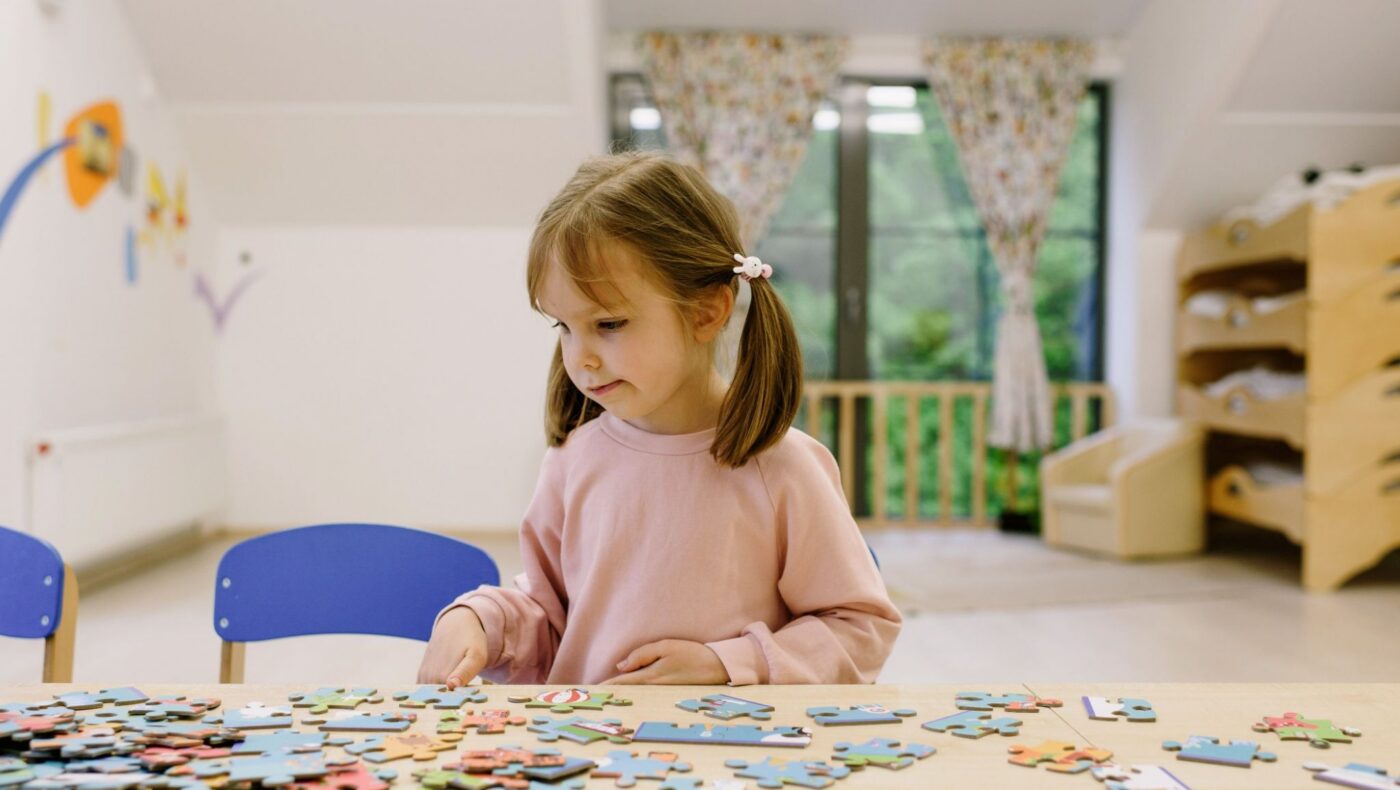
This week is National Parenting Gifted Children Week, observed July 19–25. It’s a great time to talk about giftedness in early childhood. Every child develops differently, and giftedness looks different in every home. Some parents notice early signs but aren’t sure what they mean. Here’s what to look for, and how to respond.
Common Signs of Giftedness in Preschoolers
Giftedness isn’t just about early reading or counting. Watch for these broader signs instead:
- Asking unusually detailed or advanced questions.
- Strong memory for facts, stories, or routines.
- Intense curiosity about how things work.
- Advanced vocabulary compared to same-age peers.
- Deep focus on topics of personal interest.
- Strong emotional sensitivity or empathy for others.
Not every gifted child shows all these traits. Some show strengths in only one or two areas.
How to Support a Gifted Preschooler
Supporting a gifted child doesn’t mean rushing them ahead. It means matching activities to their curiosity and pace. Offer open-ended questions instead of simple answers. Provide hands-on materials that let them explore deeply. Follow their interests, even when they seem unusual for their age. Most importantly, nurture social and emotional skills alongside academic ones.
Our approach to play-based learning in early childhood supports children at every developmental level, including gifted learners. Play remains one of the richest ways young children explore complex ideas.
Avoiding Pressure While Encouraging Growth
It’s natural to want to nurture a gifted child’s strengths. But pressure to perform can backfire quickly. Let curiosity lead, rather than pushing toward specific milestones. Celebrate effort and exploration, not just correct answers. A relaxed, supportive environment often brings out a child’s best thinking.
Why Individualized Attention Matters
Every child learns at their own pace, gifted or not. Small class sizes allow teachers to notice and nurture unique strengths. This individualized attention helps gifted children stay engaged, rather than bored or overlooked.
FAQs
Can a two- or three-year-old really be “gifted”?
Yes, though signs may look different than in older children. Advanced curiosity and memory often appear early.
Should I have my preschooler formally tested?
Formal testing is usually more reliable after kindergarten. For now, focus on rich, curiosity-driven experiences at home.
Will my child get bored in a regular preschool classroom?
Not if the classroom offers open-ended, hands-on activities. Teachers who follow each child’s interests help prevent boredom naturally.
Key Takeaways
- Giftedness shows up as curiosity, memory, or deep focus, not just early reading.
- Support means matching activities to interests, not rushing ahead.
- Emotional and social skills matter as much as academic ones.
- Small class sizes help teachers notice each child’s unique strengths.
Our certified teachers give every child individualized attention, every single day. Whether your preschooler shows advanced curiosity or simply loves to explore, we meet them right where they are. Contact our team to learn more about our approach to early learning.