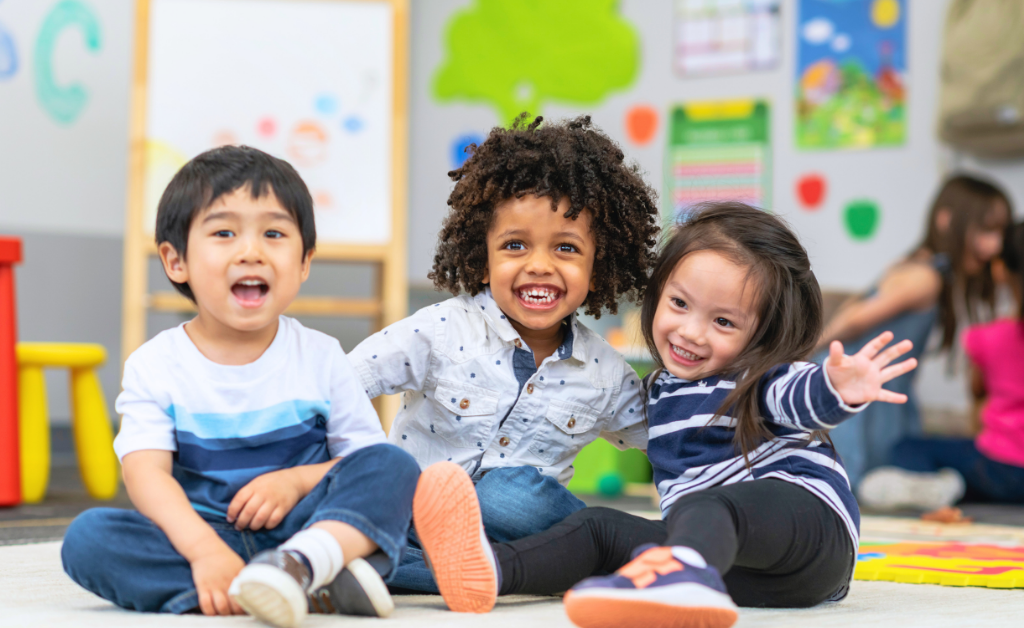
International Day of Friendship falls on July 30 each year. It’s a fitting reminder that friendship skills don’t just happen naturally. Many parents assume kindness and sharing come automatically. In reality, preschoolers learn to make friends through guided practice, every single day.
Why Friendship Skills Take Practice
Sharing, taking turns, and reading emotions are learned skills, not instincts. Young children are still developing empathy and impulse control. Without guidance, conflicts over toys or turns are common. With consistent modeling, friendship skills grow quickly during the preschool years.
Everyday Ways Preschoolers Build Friendship Skills
Friendship skills grow best through everyday interactions, not formal lessons. Look for these skill-building moments in daily classroom life:
- Practicing turn-taking during group games.
- Naming feelings to build shared understanding.
- Working together on simple group projects.
- Learning to ask before joining someone else’s play.
- Practicing kind words during small disagreements.
These small moments build the foundation for lasting social confidence. Our post on handling peer conflict and bullying in preschool offers more guidance on navigating friendship bumps along the way.
How Teachers Support Friendship-Building
Our teachers model kind, respectful language throughout the day. Small class sizes make it easier to guide each interaction closely. Group activities are designed to encourage cooperation, not just competition. Children learn that resolving conflict calmly is a skill, not a failure. Over time, these moments build real, lasting confidence in social settings.
Why Early Friendships Matter Long-Term
Early friendship skills predict more than just playground success. Children who learn cooperation early often adjust better to school. Strong social skills also support emotional well-being for years to come. Preschool is the perfect low-pressure setting to build this foundation.
What Parents Can Do at Home
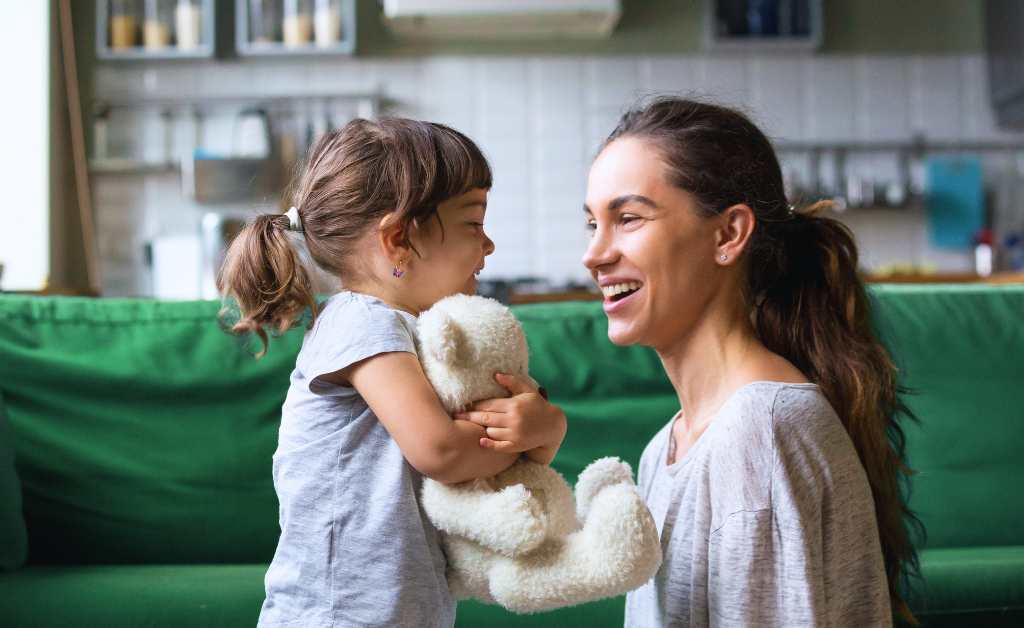
Reinforce these lessons with simple conversations at home. Ask your child who they played with, and what they shared. Role-play sharing or turn-taking with favorite toys. Celebrate kind moments you notice, however small.
FAQs
My child struggles to share. Is that normal? Yes, very normal. Sharing is a skill that develops gradually through practice and modeling.
How can I help my shy child make friends? Start with one-on-one playdates. Smaller settings often feel less overwhelming than large groups.
What if my child prefers playing alone? That’s normal, and not a cause for concern. Gently encourage group activities, but let your child set the pace for socializing.
Key Takeaways
- Friendship skills are learned through practice, not instinct.
- Everyday classroom moments build empathy and cooperation.
- Small class sizes allow closer, more individualized guidance.
- Parents can reinforce these skills through simple home conversations.
Our preschool program builds friendship skills into everyday play and learning. Small class sizes mean every child gets guided support in real time. Curious how we support social-emotional growth?Contact us to schedule a visit and see our classrooms in action.