Be Kind to Humankind Week runs August 25 through 31, and it’s a wonderful nudge to focus on something we care about every day at Abundant Blessings CDC. Empathy is not a trait toddlers arrive with fully formed. It grows through everyday moments, guided gently by the adults around them.
Why Empathy Takes Practice
Toddlers are naturally self-focused, and that is completely normal at this age. Understanding how someone else feels is a skill that develops slowly, alongside language and self-control. A two-year-old who grabs a toy is not being unkind. They simply have not yet learned another way to get what they want.
Everyday Moments That Build Empathy
You do not need a lesson plan to teach kindness. Some of the richest moments happen during ordinary parts of the day.
- Naming feelings out loud, like “I see you’re frustrated”
- Pointing out when a friend looks sad or happy
- Modeling gentle touches with pets, siblings, or dolls
- Encouraging simple acts like sharing a snack or a toy
- Reading books that show characters helping one another
These small, repeated moments matter far more than a single big conversation. Our post on handling peer conflict in preschool goes deeper into how we guide children through these bumps in real time.
How We Practice Respect in the Classroom
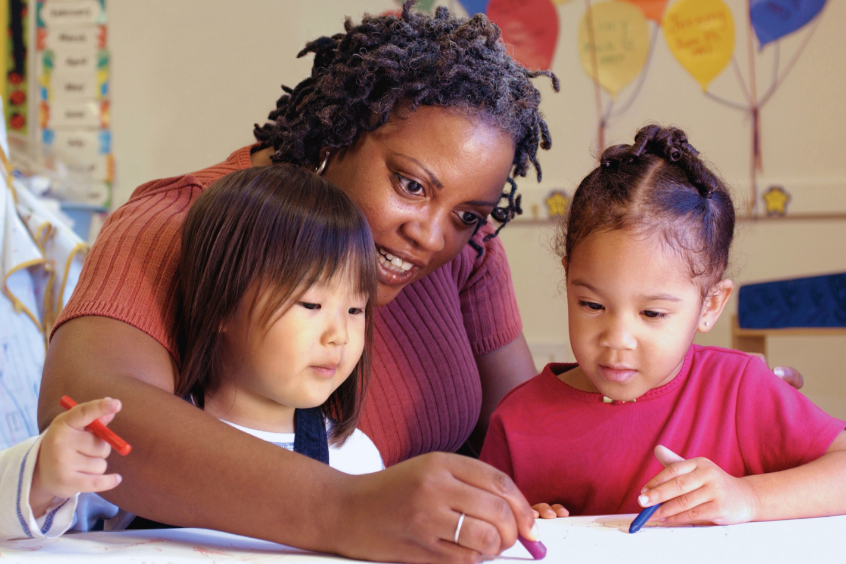
Respect looks different for a toddler than it does for an older child, and we meet them where they are. Teachers narrate emotions throughout the day, model calm responses to conflict, and celebrate small acts of kindness as they happen. When one child comforts another who is upset, we point it out. Recognition helps behavior stick.
Group activities are designed with cooperation in mind rather than competition. Children learn to wait, to ask before joining play, and to notice when a friend needs help. Over time, these habits become second nature.
Supporting Empathy at Home
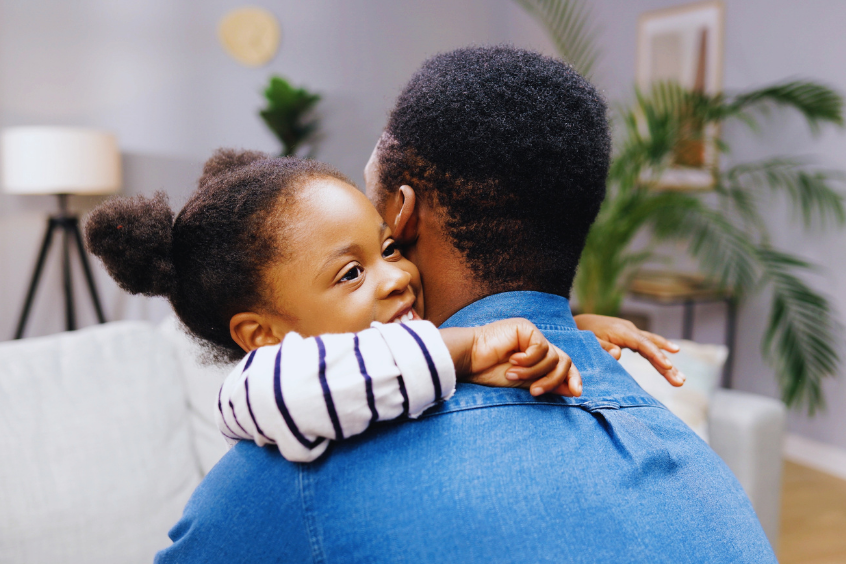
Parents play the biggest role in this growth, even more than a classroom can. Narrate your own feelings sometimes, since children learn a great deal from watching adults model emotional honesty. Praise kind moments specifically, rather than offering a general “good job.” Saying “that was kind, you helped your sister” teaches more than praise alone. Role-playing sharing with favorite toys at home also reinforces what your child practices during the day.
FAQs
My toddler still grabs toys from others. Is that a problem?
Not at all. Sharing and turn-taking are learned skills that develop gradually through practice and modeling.
How can I encourage empathy without long conversations?
Keep it simple. A short, specific comment in the moment works better than an extended talk after the fact.
Are some toddlers naturally more empathetic than others?
Yes, temperament plays a role. All children can grow in empathy with consistent modeling and gentle guidance, at their own pace.
Key Takeaways
- Empathy develops gradually through everyday guided moments, not instinct.
- Naming feelings helps toddlers build emotional vocabulary early.
- Recognizing kind behavior helps it repeat over time.
- Parents and teachers both play a meaningful role in this growth.
At Abundant Blessings CDC, kindness and respect are woven into our daily preschool programs, not treated as a separate lesson. Curious how we nurture empathy in our classrooms? Contact our team to schedule a visit and see it in action.
The Abundant Blessings Child Development Center
📍 1005 E Blackstock Rd Moore, SC 29369
📞 (864) 574-0910
📧 abundantblessings1005@gmail.com
🌐 abundantblessingscdc.org