
How to Handle Peer Conflict and “Bullying” in Preschool?

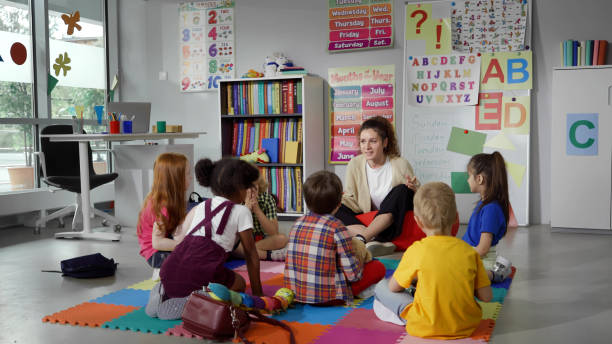
Handling peer conflict and bullying in preschool requires immediate adult intervention to ensure safety, followed by age appropriate coaching that teaches children how to use their words, recognize emotions, and practice empathy. Because young children are still developing social skills, most negative interactions are opportunities for learning rather than intentional malice.

Understanding Conflict at a Quality Childcare Center

At Abundant Blessings CDC, we distinguish between normal developmental testing and repetitive negative behaviors. Our team in Moore, SC is trained to facilitate social growth in a safe and structured environment.

Conflict vs Bullying in Early Childhood

Most preschool disagreements involve toy sharing or personal space rather than true bullying. A quality childcare center focuses on teaching children how to express their needs without resorting to physical or verbal aggression.

The Role of Supervised Play

Constant observation allows teachers to step in before a minor disagreement escalates. By monitoring play, we can guide children through the process of apology and resolution in real time.

Support During New Child Integration in Childcare

The process of new child integration in childcare can sometimes lead to social friction as children learn to navigate new group dynamics. We prioritize emotional security to help every child feel comfortable in their new social circle.

Positive Classroom Transitions

Conflict often occurs during periods of change or waiting. We use positive classroom transitions to keep children engaged and focused, which significantly reduces the likelihood of peer frustration.

Welcoming New Students Preschool

Welcoming new students preschool involves intentional pairing and group activities that foster kindness. We introduce new students to classroom expectations immediately to ensure everyone understands how to treat their peers with respect.

Implementing Childcare Inclusion Strategies

We utilize specific childcare inclusion strategies to ensure every child feels like a valued member of our community. A licensed daycare must provide an environment where differences are celebrated and boundaries are respected.

Teaching Empathy and Social Skills

Our curriculum includes lessons on recognizing facial expressions and understanding how actions affect others. Parents searching for how to find a good daycare often prioritize this focus on character development and emotional intelligence.

Collaborative Problem Solving

When a conflict arises, we encourage the children involved to help find a solution. This builds confidence and gives them the tools to handle future social challenges independently.

FAQ

Is it normal for preschoolers to hit or push peers?

Yes, many young children use physical actions when they lack the verbal skills to express frustration. Our daycare in Moore, SC focuses on giving children the words they need to replace these physical impulses.

How do I find affordable childcare near me that handles behavior well?

Look for affordable childcare near me by researching centers that have clear, written policies on guidance and discipline. A licensed daycare will always prioritize positive reinforcement over punishment.

What should I do if my child tells me someone was mean at school?

Listen to your child and then speak with their teacher to get a full picture of the day’s events. Open communication with your childcare center ensures that any recurring issues are addressed quickly and consistently.


Key Takeaways

  • Peer conflict is a natural part of social development and learning.
  • Active supervision prevents minor issues from becoming patterns.
  • Emotional coaching helps children build lifelong communication skills.
  • Consistency between home and school promotes better social behavior.

If you are looking for a daycare near me that prioritizes social emotional growth and safety, we invite you to visit us. Book a daycare tour at Abundant Blessings CDC today to see our classrooms and meet our dedicated staff.

πŸ“ Abundant Blessings CDC

🏠 1005 E Blackstock Rd Moore, SC 29369

πŸ“ž (864) 574-0910

πŸ“§ abundantblessings1005@gmail.com

🌐 www.abundantblessingscdc.org/

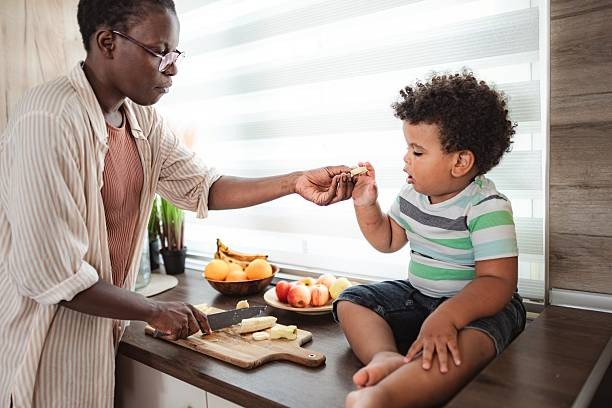
mother feeding toddlers

What Are the Best Brain-Boosting Foods for Growing Toddlers?

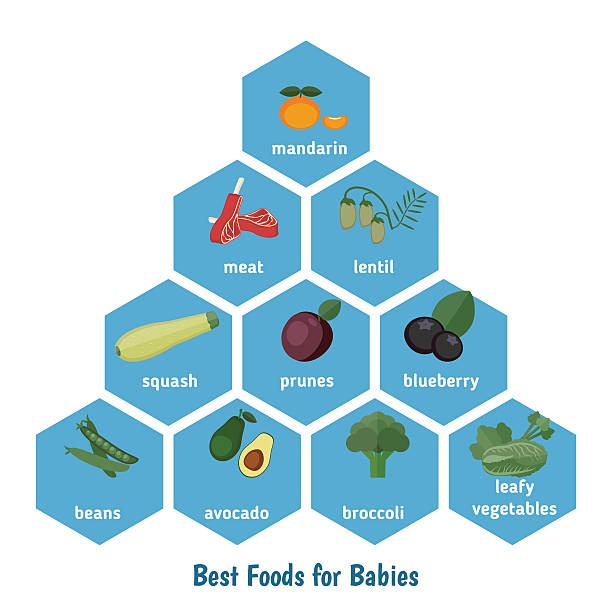
The best brain-boosting foods for growing toddlers include nutrient-dense options rich in omega-3 fatty acids, iron, and antioxidants such as fatty fish, eggs, leafy greens, berries, and yogurt. These foods provide the essential building blocks for cognitive development, memory, and concentration during the critical early years of life.

Key Nutrients for Early Cognitive Development

At Abundant Blessings CDC, we recognize that proper nutrition is just as important as a strong curriculum. Providing a variety of whole foods ensures that children have the energy required for a full day of learning and play.

Healthy Fats and Proteins

Eggs and Greek yogurt are excellent choices for breakfast or snacks because they contain choline and protein. These nutrients support the structural growth of brain cells and help toddlers maintain focus during their morning activities.

Colorful Fruits and Vegetables

Berries and spinach are packed with antioxidants and vitamins that protect brain tissue. Incorporating these into daily meals at a quality childcare center helps strengthen the immune system and supports long term mental clarity.

Supporting New Child Integration in Childcare Through Nutrition

Nutrition plays a surprising role in how well a child adjusts to a new environment. Successful new child integration in childcare is often easier when a child is well-nourished and has stable blood sugar levels.

Positive Classroom Transitions

We find that providing healthy snacks before major shifts in the schedule leads to more positive classroom transitions. A child who is not hungry is much more capable of managing their emotions and following directions.

Welcoming New Students Preschool

When welcoming new students preschool age, we encourage parents to share their child’s favorite healthy foods. This familiar nutrition helps new students feel more comfortable as they settle into our daycare in Moore, SC.

Childcare Inclusion Strategies for Diverse Dietary Needs

Every child has different nutritional requirements or sensitivities. We implement specific childcare inclusion strategies to ensure that every student has access to brain-boosting meals that fit their health profile.

Licensed Daycare Standards

As a licensed daycare, we adhere to strict nutritional guidelines while remaining flexible for individual needs. Parents searching for how to find a good daycare often prioritize centers that take a proactive approach to healthy eating.

Building Trust with Families

Abundant Blessings CDC maintains high standards to earn the trust of the Moore community. We believe that transparency about our meal and snack policies is essential for building long term relationships and positive reviews.

FAQ

What is the most important nutrient for a toddler’s brain?

Iron and omega-3 fatty acids are generally considered the most critical nutrients for rapid brain growth in the early years. Many families looking for affordable childcare near me appreciate our focus on providing balanced meals that include these essentials.

How can I get my picky eater to consume brain-boosting foods?

Try offering small portions of new foods alongside familiar favorites in a low-pressure environment. In our childcare center, we find that peer modeling often encourages children to try things they might refuse at home.

Are there specific foods that help with focus in the classroom?

Complex carbohydrates like oatmeal and whole grain bread provide steady energy that prevents the spikes and crashes associated with sugary snacks. This steady fuel is vital for success in any daycare near me that focuses on early education.


Key Takeaways

  • Omega-3s, iron, and choline are essential for brain health.
  • Stable nutrition supports better behavior and emotional regulation.
  • Healthy fats provide the energy needed for cognitive milestones.
  • Peer modeling at daycare encourages better eating habits.

If you are looking for a center that cares for your child’s health and mind, we invite you to see our facility. Book a daycare tour at Abundant Blessings CDC today to learn more about our programs.

πŸ“ Abundant Blessings CDC

🏠 1005 E Blackstock Rd Moore, SC 29369

πŸ“ž (864) 574-0910

πŸ“§ abundantblessings1005@gmail.com

🌐 www.abundantblessingscdc.org/

Why Is My Child More “Clingy” Since Starting a New Program?

Your child is likely more clingy because they are experiencing a normal developmental response to a significant change in their routine and environment. This behavior is a sign that your child is seeking extra security and comfort while they navigate the transition to a new childcare center.

Understanding the Adjustment Period

Starting a new program is a major life event for a young child. At Abundant Blessings CDC, we recognize that even the most social children may experience temporary separation anxiety as they process new surroundings and faces.

Emotional Processing and Safety

Clinginess is often a child’s way of “refueling” their emotional tank with familiar figures. While you are researching how to find a good daycare, it is helpful to know that this phase usually subsides once the child forms a bond with their new teachers.

Sensory and Social Overload

A quality childcare center is filled with new sounds, smells, and people. A child may become more attached to their primary caregiver at home to cope with the increased sensory input they face during the day.

The Process of New Child Integration in Childcare

Successful new child integration in childcare involves a partnership between the family and the school. At our daycare in Moore, SC, we use specific methods to help children feel at home quickly.

Establishing Trusting Bonds

Our educators focus on being a “secondary secure base” for your child. By providing consistent comfort during drop off, we help the child understand that they are safe in our care.

Positive Classroom Transitions

Clinginess often peaks during changes in the day. We utilize positive classroom transitions to keep children engaged and focused on fun activities, which helps distract them from feelings of anxiety.

Childcare Inclusion Strategies for Emotional Comfort

Every child adapts at a different speed. We implement childcare inclusion strategies to ensure that children who need a little more time to adjust receive the extra support they require.

Welcoming New Students Preschool

Our process for welcoming new students preschool age includes creating a predictable environment. When a child knows exactly what happens next, their need to cling to a parent often decreases.

Consistent Routines

Consistency is the best cure for anxiety. At our quality childcare center, we maintain a steady rhythm that helps children feel in control of their day, eventually leading to more independence.

FAQ

Is it normal for my child to cry every morning at drop off?

Yes, it is very common for children to cry or cling during the first few weeks of a new program. A licensed daycare will have experienced staff who can gently step in and help the child transition into the classroom.

How can I make the morning transition easier for my clingy child?

Create a short and consistent goodbye ritual to provide your child with a sense of closure. Knowing what to expect makes it easier for them to let go and begin their day at the childcare center.

Where can I find affordable childcare near me that handles separation anxiety well?

You can find affordable childcare near me by looking for centers in Moore, SC that emphasize social emotional support and parent communication. Reading reviews can help you identify a center that builds trust with both students and parents.


Key Takeaways

  • Clinginess is a healthy and normal reaction to a new environment.
  • Children seek comfort to manage the stress of a changing routine.
  • Strong teacher bonds help reduce separation anxiety over time.
  • Consistency at home and school is vital for a smooth transition.

If you are looking for a daycare near me that offers a warm and supportive environment for your child, we are here to help. Book a daycare tour at Abundant Blessings CDC today to see how we care for our newest students.

πŸ“ Abundant Blessings CDC

🏠 1005 E Blackstock Rd Moore, SC 29369

πŸ“ž (864) 574-0910

πŸ“§ abundantblessings1005@gmail.com

🌐 www.abundantblessingscdc.org/

child that is playing with block toys

How to Respond When Your Child Refuses to Follow Instructions?

The most effective way to respond when a child refuses to follow instructions is to get down to their eye level, ensure you have their full attention, and offer a simple choice that empowers them to cooperate while still achieving the desired outcome. This approach shifts the dynamic from a power struggle to a collaborative effort.

Effective Communication Techniques

Clear communication is the foundation of cooperation at any quality childcare center. At Abundant Blessings CDC, we find that how an instruction is delivered often determines how well it is received.

Use Direct and Positive Language

State exactly what you want the child to do rather than what you want them to stop doing. Instead of saying do not run, try use your walking feet to provide a clear and actionable goal.

The Power of Limited Choices

Offering two acceptable options gives the child a sense of autonomy. Asking would you like to put the blocks away or the books first allows the child to feel in control while still following the instruction to clean up.

Supporting New Child Integration in Childcare

Resistance often occurs when a child feels overwhelmed by new expectations. Successful new child integration in childcare requires patience and a gradual introduction to classroom rules.

Establishing Predictable Routines

Children are more likely to follow directions when they know what to expect next. In our daycare in Moore, SC, we use consistent daily schedules so that following instructions becomes a natural part of the rhythm.

Positive Classroom Transitions

We utilize positive classroom transitions to prepare children for changes in activity. Providing a five minute warning before a transition reduces the frustration that often leads to defiance.

Childcare Inclusion Strategies for Cooperation

Using specific childcare inclusion strategies helps us support children who may process verbal instructions differently. A licensed daycare must be equipped to reach every child at their specific developmental level.

Visual Cues and Gestures

Pairing verbal instructions with physical gestures or picture cards can help a child understand what is expected. This is a core part of welcoming new students preschool age who may still be developing their receptive language skills.

Positive Reinforcement

Focusing on the behavior you want to see is essential for long term success. We make it a priority to catch children being good and provide immediate praise when they follow a direction on the first try.

FAQ

Is it normal for my toddler to ignore my instructions?

Yes, testing boundaries is a healthy part of development as children discover their independence. Parents looking for how to find a good daycare should seek out educators who understand this stage and respond with firm but gentle guidance.

How does a childcare center handle a child who refuses to participate?

A professional center will use redirection and encouragement rather than punishment. By identifying the reason for the refusal, such as tiredness or confusion, our staff can adjust their approach to help the child succeed.

Where can I find affordable childcare near me that focuses on positive discipline?

You can find affordable childcare near me by visiting local centers in Moore, SC and asking about their behavioral philosophy. A quality childcare center will be happy to explain how they foster a culture of respect and cooperation.


Key Takeaways

  • Connect with the child at eye level before giving a direction.
  • Use positive phrasing to tell the child what to do.
  • Offer choices to provide a sense of independence.
  • Consistent routines make following instructions easier for children.

If you are searching for a daycare near me that uses positive guidance to help children grow, we invite you to see our classrooms. Book a daycare tour at Abundant Blessings CDC today to learn more about our enrollment process.

πŸ“ Abundant Blessings CDC

🏠 1005 E Blackstock Rd Moore, SC 29369

πŸ“ž (864) 574-0910

πŸ“§ abundantblessings1005@gmail.com

🌐 www.abundantblessingscdc.org/

How Can We Help a Shy Child Participate in Group Play?

Helping a shy child participate in group play involves using a gradual approach that builds their confidence through small social victories, supportive teacher guidance, and a predictable classroom environment. By allowing children to observe before joining, we reduce the pressure and make social interaction feel like a safe choice rather than a forced requirement.

The Importance of New Child Integration in Childcare

Successful new child integration in childcare is the first step toward helping a reserved student open up to their peers. At Abundant Blessings CDC, we prioritize the emotional comfort of every student to ensure they feel at home in our Moore, SC facility.

Building Initial Trust

A shy child needs to feel a strong bond with their teacher before they will risk interacting with other children. Our staff spends extra time with new students to establish a secure base of support.

Observation as a Learning Tool

Allowing a child to sit on the perimeter of a group activity is a valid form of participation. This “onlooker play” helps the child understand the rules and social cues of the group before they dive in.

Using Positive Classroom Transitions to Reduce Anxiety

Transitions can be overwhelming for shy children who thrive on predictability. We use positive classroom transitions to make the shift from individual work to group play as smooth as possible.

Clear Warnings and Cues

Giving a five minute warning before group play starts allows a child to mentally prepare for a change in social expectations. This reduces the “startle” factor that often causes shy children to retreat.

Structured Group Entry

Instead of expecting a child to find their own way into a game, our teachers provide a specific role or task. Giving a shy child a job, such as “the leaf collector” in an outdoor game, provides a clear purpose for their presence.

Childcare Inclusion Strategies for Social Success

At Abundant Blessings CDC, we implement specific childcare inclusion strategies to ensure that quiet personalities are not overshadowed by more extroverted peers. Every child deserves to have their voice heard in a quality childcare center.

Welcoming New Students Preschool

Welcoming new students preschool age involves pairing them with a “buddy” who has a gentle temperament. This one on one connection is often less intimidating than trying to join a large group of strangers.

Small Group Activities

We often break the class into smaller units of two or three children. This intimate setting makes it much easier for a shy child to practice their communication skills without feeling put on the spot.

FAQ

Is it normal for my child to be shy at a new daycare in Moore, SC?

Yes, it is perfectly normal for a child to be cautious when entering a new environment or meeting new people. A licensed daycare is trained to handle these transitions with patience and individualized care.

How do I find a good daycare that supports introverted children?

When researching how to find a good daycare, look for centers that emphasize social emotional learning and have low student to teacher ratios. These environments allow teachers to provide the personalized attention a shy child needs to thrive.

Where can I find affordable childcare near me with inclusive social programs?

You can find affordable childcare near me by visiting local centers and asking about their specific methods for social integration. A quality childcare center will have clear plans for helping all personality types feel included.


Key Takeaways

  • Respect the child’s pace by allowing them to observe first.
  • Use small groups and buddy systems to build social confidence.
  • Predictable routines and transitions reduce social anxiety.
  • Teacher support is vital for creating a safe social environment.

If you are looking for a daycare near me that understands the unique needs of your child, we would love to meet you. Book a daycare tour at Abundant Blessings CDC today to see how we foster a welcoming community for every student.

πŸ“ Abundant Blessings CDC

🏠 1005 E Blackstock Rd Moore, SC 29369

πŸ“ž (864) 574-0910

πŸ“§ abundantblessings1005@gmail.com

🌐 www.abundantblessingscdc.org/

4-Year-Old

What Milestones Should a 4-Year-Old Hit Before Kindergarten?

Before entering kindergarten, a 4-year-old should ideally be able to follow multi-step directions, express their needs verbally, recognize some letters and numbers, and demonstrate basic independence with self-care tasks like using the restroom and washing their hands. These benchmarks help ensure a smooth transition into a more structured academic environment.

Social and Emotional Readiness

Social maturity is often more important for school success than academic knowledge alone. At Abundant Blessings CDC, we observe how children interact with their peers to gauge their readiness for a larger classroom setting.

Cooperation and Sharing

By age four, children should be able to play cooperatively with others and share toys with minimal adult intervention. A quality childcare center provides daily opportunities for students to practice these vital social negotiations.

Emotional Regulation

A child entering kindergarten should be able to manage minor disappointments without a total loss of control. Our daycare in Moore, SC focuses on teaching children how to identify their feelings and use words to resolve conflicts.

Cognitive and Language Benchmarks

A 4-year-old is rapidly developing the mental tools needed for reading and math. When searching for how to find a good daycare, parents should look for programs that stimulate these cognitive areas through play.

Communication Skills

Most four-year-olds can speak in complete sentences and be understood by adults who are not their parents. They should also be able to tell a simple story and use basic grammar correctly.

Early Literacy and Numeracy

Identifying some capital letters and counting up to ten are standard goals at this age. In a licensed daycare, these skills are reinforced through songs, games, and interactive storytelling.

Physical and Self-Care Independence

Kindergarten teachers expect students to handle personal needs with little assistance. Abundant Blessings CDC encourages independence to help children feel confident as they graduate from our program.

Fine Motor Control

Children should be able to hold a pencil or crayon with a tripod grip and use safety scissors to cut along a line. These skills are essential for the writing tasks they will face in elementary school.

Personal Responsibility

Successful new child integration in childcare includes learning to manage coats, shoes, and lunch containers. Being able to dress and undress independently is a major milestone for school readiness.

Supporting Transitions and Inclusion

Preparing for a big school environment requires specialized support and intentional planning. We use childcare inclusion strategies to make sure every child, regardless of their starting point, reaches their full potential.

Positive Classroom Transitions

We practice positive classroom transitions to help children learn how to move between subjects efficiently. This habit mimics the structure of a kindergarten day and reduces anxiety about the unknown.

Welcoming New Students Preschool

Welcoming new students preschool age involves assessing their current milestones and creating a path for growth. This personalized attention ensures that no child feels left behind as the kindergarten deadline approaches.

FAQ

What if my child is missing a few milestones?

It is very common for children to excel in one area while needing more time in another. A quality childcare center will work with you to provide targeted support in the areas where your child needs a boost.

How can I find affordable childcare near me that prepares kids for school?

You can find affordable childcare near me by looking for centers in Moore, SC that participate in state funded programs like SC First Steps. These programs often have high standards for kindergarten readiness.

Is potty training a requirement for kindergarten?

Yes, most public and private schools require children to be fully potty trained and able to handle their own clothing before enrollment. A licensed daycare can be a great partner in finalizing these habits before the school year starts.


Key Takeaways

  • Social skills like sharing and following directions are top priorities.
  • Basic independence with clothing and hygiene is expected.
  • Early literacy includes letter recognition and storytelling.
  • Professional childcare helps bridge the gap to elementary school.

If you want to ensure your child is fully prepared for the next big step in their education, we are here to help. Book a daycare tour at Abundant Blessings CDC today to see our kindergarten readiness program in action.

πŸ“ Abundant Blessings CDC

🏠 1005 E Blackstock Rd Moore, SC 29369

πŸ“ž (864) 574-0910

πŸ“§ abundantblessings1005@gmail.com

🌐 www.abundantblessingscdc.org/

Selective Eating

How to Handle “Selective Eating” at a Childcare Center?

Handling selective eating at a childcare center involves creating a low pressure environment where children are encouraged to explore new foods through peer modeling and sensory exposure without being forced to eat. This approach builds a positive relationship with food by allowing the child to progress at their own developmental pace.

Creating a Positive Mealtime Environment

A quality childcare center understands that mealtime is a learning opportunity rather than a power struggle. At Abundant Blessings CDC, we focus on making the dining area a relaxed space where children feel safe to try new things.

The Power of Peer Modeling

Children are often more willing to try a new vegetable when they see their friends enjoying it. Group dining in a daycare in Moore, SC naturally encourages kids to mimic the healthy habits of their peers.

Neutral Food Presentation

We present new items alongside familiar favorites to reduce anxiety. A licensed daycare ensures that nutrition is balanced while respecting the individual preferences of every student.

New Child Integration in Childcare and Nutrition

The process of new child integration in childcare often includes adjusting to a new menu and different eating routines. It is common for children to be more selective about food during their first few weeks as they acclimate to their surroundings.

Positive Classroom Transitions

We use positive classroom transitions to move from playtime to mealtime smoothly. A calm transition ensures that a child is not overstimulated when they sit down to eat, which significantly reduces mealtime resistance.

Welcoming New Students Preschool

When welcoming new students preschool age, we take the time to learn about their specific likes and dislikes from their parents. This information helps our staff support the child’s nutritional needs while they build trust with our caregivers.

Childcare Inclusion Strategies for Picky Eaters

Using specific childcare inclusion strategies allows us to support children with sensory sensitivities that may contribute to selective eating. Every child is treated with patience and understanding regardless of their dietary habits.

Sensory Food Exploration

We often incorporate food into sensory play or science lessons to help children get used to different textures. Understanding how to find a good daycare involves looking for programs that view nutrition as a multi sensory experience.

Consistent Communication with Parents

Our team at Abundant Blessings CDC maintains open lines of communication regarding what your child ate during the day. This partnership ensures that families in Moore, SC can reinforce healthy habits at home.

FAQ

Is it normal for my toddler to suddenly become a picky eater?

Yes, selective eating is a very common developmental phase for toddlers as they begin to assert their independence. A quality childcare center will provide a variety of healthy options to help them navigate this stage safely.

How do I find affordable childcare near me that handles food allergies?

You can find affordable childcare near me by asking centers about their specific protocols for allergies and selective diets. Most reputable centers have strict policies to ensure the safety of every child while providing nutritious meals.

Will my child go hungry if they refuse to eat at daycare?

No, we always ensure there is something on the plate that the child is comfortable eating. If you are looking for a daycare near me, choose one that emphasizes a compassionate approach to mealtime.


Key Takeaways

  • Peer influence helps encourage children to try new foods.
  • Routine and calm transitions reduce mealtime stress.
  • Sensory exposure is a helpful tool for selective eaters.
  • Consistent communication between school and home is vital.

If you are looking for a center that supports your child’s health and development, we are ready to help. Book a daycare tour at Abundant Blessings CDC today to see our mealtime environment and meet our staff.

πŸ“ Abundant Blessings CDC

🏠 1005 E Blackstock Rd Moore, SC 29369

πŸ“ž (864) 574-0910

πŸ“§ abundantblessings1005@gmail.com

🌐 www.abundantblessingscdc.org/

Toddler Tantrum

What Is the Best Way to Manage Public Toddler Tantrums?

The best way to manage public toddler tantrums is to remain calm, ensure the child is safe, and use a consistent redirection strategy that validates their feelings without giving in to the demands that triggered the outburst. Managing these moments with a steady presence helps the child regain emotional control more quickly.

Immediate Strategies for Public Outbursts

When a tantrum occurs in a public space, your primary goal is to provide a sense of security and de-escalate the situation. At Abundant Blessings CDC, we emphasize that a tantrum is a form of communication rather than a sign of poor behavior.

Stay Calm and Present

Your child will mirror your emotional state during a crisis. Keeping your voice low and your movements slow provides a stabilizing influence for a child who feels out of control.

Move to a Quiet Space

If the environment is contributing to sensory overload, gently move your child to a less crowded area. This change of scenery can help break the cycle of the tantrum and allow for a private moment of reconnection.

Building Emotional Resilience at a Quality Childcare Center

A quality childcare center plays a vital role in teaching children how to navigate big emotions before they lead to a public meltdown. Our curriculum in Moore, SC includes daily exercises in emotional regulation and social interaction.

New Child Integration in Childcare

During the process of new child integration in childcare, we focus heavily on building trust. When a child feels secure with their caregivers, they are more likely to use words instead of outbursts to express their needs.

Positive Classroom Transitions

We utilize positive classroom transitions to prevent the frustration that often causes tantrums. By giving clear warnings and using visual schedules, we help children feel prepared for changes in their routine.

Support Systems and Childcare Inclusion Strategies

Finding a licensed daycare that understands developmental stages is crucial for parents wondering how to find a good daycare. We implement specific childcare inclusion strategies to support children who may struggle more than others with emotional regulation.

Welcoming New Students Preschool

Welcoming new students preschool age involves teaching them the “language of feelings” from day one. This proactive approach reduces the frequency of tantrums both at school and at home.

Professional Guidance for Families

Our team at Abundant Blessings CDC offers a partnership to parents. We share the same calming techniques used in our daycare in Moore, SC so that children experience consistency across all environments.

FAQ

Is it normal for my toddler to have tantrums in public?

Yes, public tantrums are a normal developmental stage as children learn to navigate their independence and environmental limits. A quality childcare center can help reinforce the self regulation skills needed to move through this phase.

How can a childcare center help reduce tantrums at home?

A center helps by establishing a predictable routine and teaching peer conflict resolution. This structure carries over into home life, making it easier to find affordable childcare near me that also provides behavioral support.

When should I seek professional help for my child’s tantrums?

You should consider a consultation if tantrums are becoming increasingly violent or if they happen many times every day. Our staff can help you determine if these behaviors are typical or if additional support is needed.


Key Takeaways

  • Calmness is the most effective tool for stopping a tantrum.
  • Consistency between school and home helps children learn faster.
  • Routine and preparation prevent many common triggers.
  • Emotional regulation is a skill that requires practice and patience.

If you are searching for a daycare near me that prioritizes your child’s social and emotional growth, we are here to support your family. Book a daycare tour at Abundant Blessings CDC today to learn more about our approach to early childhood development.

πŸ“ Abundant Blessings CDC

🏠 1005 E Blackstock Rd Moore, SC 29369

πŸ“ž (864) 574-0910

πŸ“§ abundantblessings1005@gmail.com

🌐 www.abundantblessingscdc.org/

kids in a classroom

Free 4K in Moore: Your Guide to the SC First Steps Application

If you live in Moore or the greater Spartanburg area and have a four-year-old, you have an incredible opportunity waiting for you: Free, high-quality, full-day 4K through the South Carolina First Steps program.

This is more than just free childcare; it’s a dedicated educational year that sets your child up for success in Kindergarten and beyond, saving your family thousands of dollars in tuition! We know the application process can seem daunting, but we’re here to demystify it. 

At Abundant Blessings CDC, we are a proud First Steps 4K provider, and we want to help you cut through the confusion and get your child enrolled today!

1. Why the Rush? Understanding Capacity

The first thing to understand is the timeline. First Steps 4K is an in-demand program with limited slots, especially at high-quality centers in the Moore area.

  • It’s First-Come, First-Served: Once a center like ours fills its state-funded seats, we must start a waitlist. Getting your application in early is the single best way to secure your spot.
  • The Crucial Dates: Your child must be four years old on or before September 1st of the school year to be eligible. Mark your calendar and don’t miss the cutoff!

2. Check the Two Main Eligibility Requirements

The program is designed for children who need the educational boost most. Your child must meet the age requirement (see above) AND one of the following criteria:

  • Income: Your family’s gross income must be at or below 200% of the Federal Poverty Level.
  • Automatic Eligibility: Your child automatically qualifies if they are eligible for programs like Medicaid, SNAP (food stamps), TANF, if they are homeless, or if they are in foster care.

Our Advice: If you are unsure about the income guidelines, apply anyway! It is always worth taking a few minutes to fill out the application to find out you qualify for a year of free education.

3. Your Essential Paperwork Checklist

Don’t let gathering documents slow you down. Start collecting these items now so you can apply without delay:

  • The Child’s ID: A copy of your child’s state-certified birth certificate.
  • Proof of Income/Eligibility: Your most recent tax return, W-2 forms, or documentation proving eligibility for Medicaid, SNAP, etc.
  • Proof of Residence: Two documents proving you live in South Carolina (e.g., utility bills, lease agreement).

4. How to Choose Abundant Blessings CDC

When you complete the application, you will be asked to list your preferred provider. Choosing us means choosing a center committed to:

  • High Standards: We use a high-quality, research-based curriculum (like Frog Street) that builds strong foundational skills.
  • Full-Day Care: Our program structure provides reliable care that supports working families, with added extended care options available.
  • Nurturing Environment: Our staff focuses on positive guidance and social-emotional development, ensuring your child is happy and secure.

This free 4K program is the best investment you can make in your child’s success this year. Don’t let paperwork or procrastination cost you this valuable spot.

Call us today to confirm your eligibility and schedule a tour! 

πŸ“ Abundant Blessings CDC

🏠 1005 E Blackstock Rd Moore, SC 29369

πŸ“ž (864) 574-0910

πŸ“§ abundantblessings1005@gmail.com

🌐 www.abundantblessingscdc.org/

Two kids with masks on

Fighting the Flu: Our 5-Step Deep Clean Plan for Healthy Kids

Every parent knows the drill: Your child starts at a new center, and suddenly, they catch every little bug that goes around. While a little exposure is good for building immunity, no one wants to deal with a constant stream of runny noses, fevers, and sick days.

Here at Abundant Blessings CDC, we take our role as protectors of your child’s health incredibly seriously. We know that preventing illness starts with rigorous, consistent cleanliness. Our goal is simple: to create the healthiest environment possible so our students spend more time learning and less time sneezing! For a great resource on the fundamentals of keeping kids healthy, the CDC offers simple guidelines on preventing the spread of the flu and other viruses that you can check out.

We want to give you a peek behind the scenes at the 5 non-negotiable steps in our deep clean plan that keep our classrooms sparkling and germ count low.

1. Daily Disinfecting of High-Touch Surfaces

Germs don’t stand still, and neither do we. Our cleaning efforts are focused on the areas little hands touch the most.

  • The Focus: Door handles, light switches, faucet knobs, changing tables, and food preparation areas.
  • The Standard: We use state-approved, child-safe disinfectants multiple times throughout the day, not just after closing. This immediate action prevents the quick spread of bacteria and viruses in shared spaces.

2. Toy Sanitization Rotation

Toys are essential learning tools, but they are also germ magnets! Our system ensures that all toys are properly cleaned and sanitized daily.

  • The System: Toys are rotated regularly. Once a toy or bin is used, it goes into a designated “dirty” bin and is not returned until it has been washed with soap and water, then sanitized in a bleach solution or using a commercial-grade toy sanitizer. This is especially true for items that go in little mouths (infant toys).

3. Handwashing is the Superpower

The single most effective defense against illness is proper handwashing, and we turn it into a fun, non-negotiable routine.

  • The Routine: We practice vigorous handwashing with soap and water (using the “Happy Birthday” song length) upon arrival, before and after meals, after using the restroom or diaper change, and after coming in from outside play. Our staff models this behavior consistently.

4. Individualized Naptime Gear

Naptime should be a safe, clean space for rest, not a sharing zone for germs.

  • The Focus: Each child has their own individual mat, blanket, and sheet. These items are stored separately and are never shared.
  • The Standard: All bedding is sent home or professionally laundered at the end of the week, and mats are disinfected daily.

5. Clear and Consistent Sick Policy

The most important step we take is partnering with you to keep sick children at home. Our policy is clear and designed to protect the entire classroom community.

  • The Rule: Children must be fever-free and symptom-free for 24 hours (without medication) before returning to school. This simple rule is the key to stopping the spread of highly contagious illnesses.

We know that choosing childcare involves trusting us with your child’s physical health, not just their education. Our robust cleaning and hygiene protocols ensure that when your child is with us, they are in the safest, healthiest environment possible.

Ready to see our clean, nurturing classrooms firsthand?

Call us today to schedule a tour and learn more about our health and safety standards! 

πŸ“ Abundant Blessings CDC

🏠 1005 E Blackstock Rd Moore, SC 29369

πŸ“ž (864) 574-0910

πŸ“§ abundantblessings1005@gmail.com

🌐 www.abundantblessingscdc.org/