Celebrating Cultures: Introducing Diversity to Young Children
Hispanic Heritage Month runs September 15 through October 15, and it offers a natural opportunity to talk with young children about the different cultures, languages, and traditions that make up their community. These conversations can start much earlier than many parents expect.
Why Diversity Awareness Starts So Early
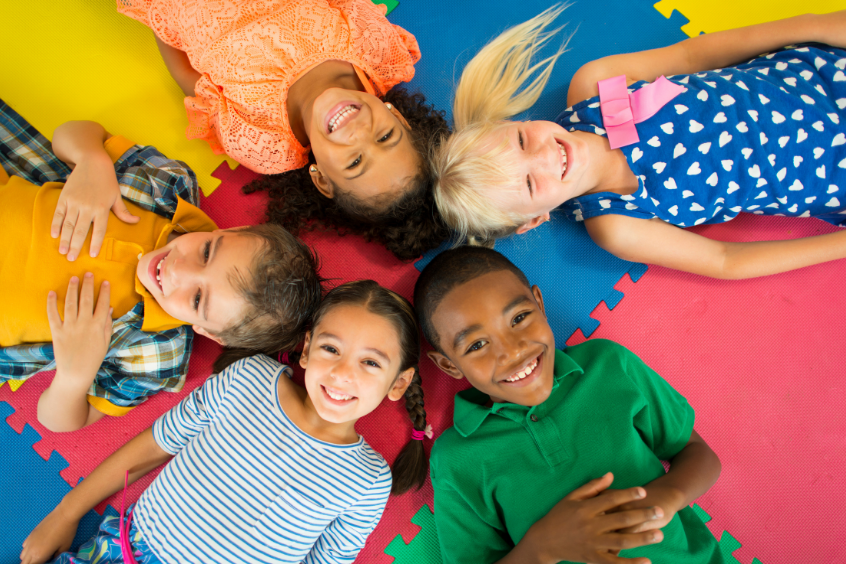
Research on early childhood shows that children begin noticing differences in people, from skin tone to language, well before preschool age. Left unaddressed, that noticing can turn into discomfort or confusion. Talked about openly and warmly, it becomes simple curiosity instead, the same kind of curiosity that helps preschoolers build genuine friendships across different backgrounds. The earlier these conversations happen, the more natural they feel.
Simple Ways to Introduce Diversity at Home
You don’t need a formal lesson plan to start these conversations.
- Choose books and shows featuring characters from different backgrounds
- Try foods from different cultures together as a family
- Talk about holidays and traditions celebrated by friends or neighbors
- Point out different languages heard in your community, without judgment
- Answer a child’s questions honestly, even the awkward ones
Curiosity handled with warmth teaches more than any lecture would.
How We Celebrate Culture in Our Classroom
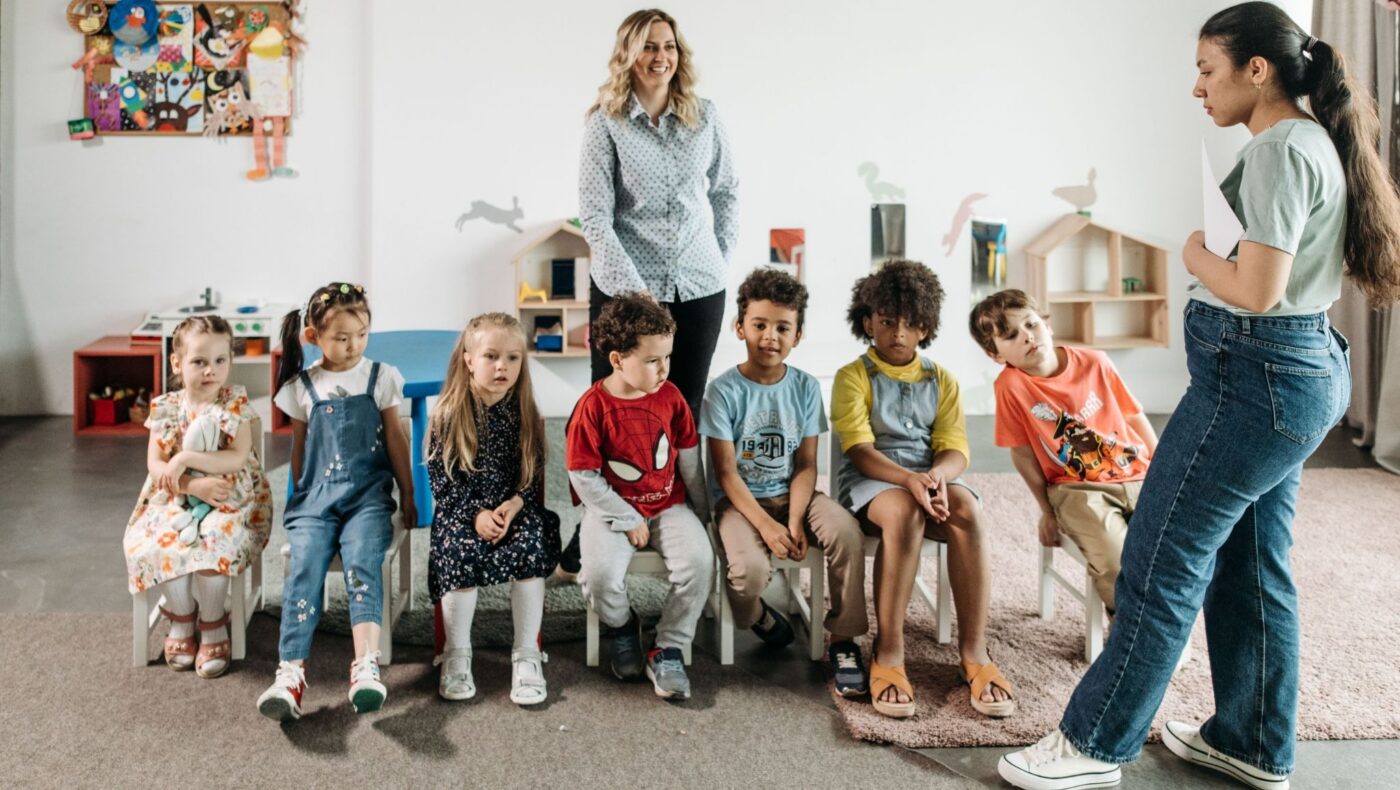
Our classrooms bring together children and families from many different backgrounds, and we treat that as a strength rather than something to smooth over. Sharing stories, songs, and traditions from different cultures helps every child feel seen, while also building the same kind of empathy we saw grow through teaching friendship skills among preschoolers. Respecting differences also plays a quiet role in how we approach conflict between young children, since understanding builds patience faster than avoidance ever does.
Keeping Conversations Age Appropriate
What Tends to Work Well
Simple, concrete comparisons work best at this age. Different foods, different words for hello, different clothes worn for a celebration. Concrete details are easier for a preschooler to grasp than abstract ideas about culture.
What to Avoid
Skip anything that frames differences as strange or lesser. Children absorb tone quickly, so the goal is curiosity and respect, not comparison.
FAQs
At what age should I start talking to my child about different cultures?
Even toddlers benefit from early exposure. Simple, concrete conversations can start as young as two or three.
What if my child asks an awkward question about someone’s differences?
Answer honestly and calmly. Awkward questions are usually just curiosity, not something to shy away from.
How can I introduce diversity if our community isn’t very diverse?
Books, shows, and shared meals from different cultures are a great starting point, even without a lot of everyday exposure.
Key Takeaways
- Children notice differences early, and open conversation shapes how they respond to it.
- Simple, concrete examples work better than abstract explanations.
- Curiosity handled with warmth builds respect naturally.
- Diverse classrooms give children a head start on empathy and understanding.
At Abundant Blessings CDC, we welcome and celebrate the different backgrounds that make up our community. Want to learn more about life in our classrooms? Contact our team to schedule a visit.
The Abundant Blessings Child Development Center
📍 1005 E Blackstock Rd Moore, SC 29369
📞 (864) 574-0910
📧 abundantblessings1005@gmail.com
🌐 abundantblessingscdc.org