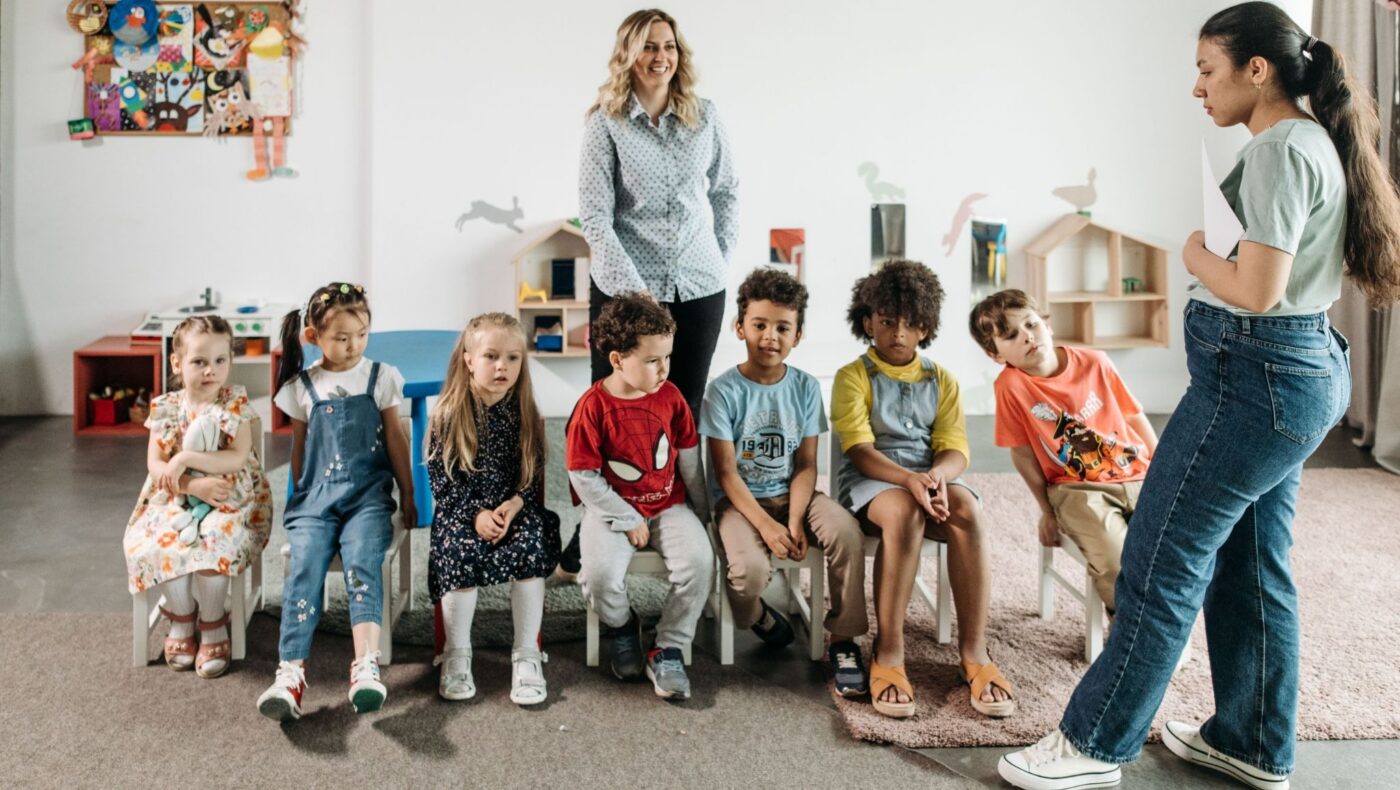
Group of diverse children in a kindergarten classroom attending an interactive learning session with teachers.

Celebrating Cultures: Introducing Diversity to Young Children

Hispanic Heritage Month runs September 15 through October 15, and it offers a natural opportunity to talk with young children about the different cultures, languages, and traditions that make up their community. These conversations can start much earlier than many parents expect.

Why Diversity Awareness Starts So Early

Research on early childhood shows that children begin noticing differences in people, from skin tone to language, well before preschool age. Left unaddressed, that noticing can turn into discomfort or confusion. Talked about openly and warmly, it becomes simple curiosity instead, the same kind of curiosity that helps preschoolers build genuine friendships across different backgrounds. The earlier these conversations happen, the more natural they feel.

Simple Ways to Introduce Diversity at Home

You don’t need a formal lesson plan to start these conversations.

  • Choose books and shows featuring characters from different backgrounds
  • Try foods from different cultures together as a family
  • Talk about holidays and traditions celebrated by friends or neighbors
  • Point out different languages heard in your community, without judgment
  • Answer a child’s questions honestly, even the awkward ones

Curiosity handled with warmth teaches more than any lecture would.

How We Celebrate Culture in Our Classroom

Our classrooms bring together children and families from many different backgrounds, and we treat that as a strength rather than something to smooth over. Sharing stories, songs, and traditions from different cultures helps every child feel seen, while also building the same kind of empathy we saw grow through teaching friendship skills among preschoolers. Respecting differences also plays a quiet role in how we approach conflict between young children, since understanding builds patience faster than avoidance ever does.

Keeping Conversations Age Appropriate

What Tends to Work Well

Simple, concrete comparisons work best at this age. Different foods, different words for hello, different clothes worn for a celebration. Concrete details are easier for a preschooler to grasp than abstract ideas about culture.

What to Avoid

Skip anything that frames differences as strange or lesser. Children absorb tone quickly, so the goal is curiosity and respect, not comparison.

Diverse group of children laying down looking up at the camera

FAQs

At what age should I start talking to my child about different cultures?

 Even toddlers benefit from early exposure. Simple, concrete conversations can start as young as two or three.

What if my child asks an awkward question about someone’s differences? 

Answer honestly and calmly. Awkward questions are usually just curiosity, not something to shy away from.

How can I introduce diversity if our community isn’t very diverse? 

Books, shows, and shared meals from different cultures are a great starting point, even without a lot of everyday exposure.

Key Takeaways

  • Children notice differences early, and open conversation shapes how they respond to it.
  • Simple, concrete examples work better than abstract explanations.
  • Curiosity handled with warmth builds respect naturally.
  • Diverse classrooms give children a head start on empathy and understanding.

At Abundant Blessings CDC, we welcome and celebrate the different backgrounds that make up our community. Want to learn more about life in our classrooms? Contact our team to schedule a visit.

The Abundant Blessings Child  Development Center

📍 1005 E Blackstock Rd Moore, SC 29369

📞 (864) 574-0910

📧 abundantblessings1005@gmail.com

🌐 abundantblessingscdc.org
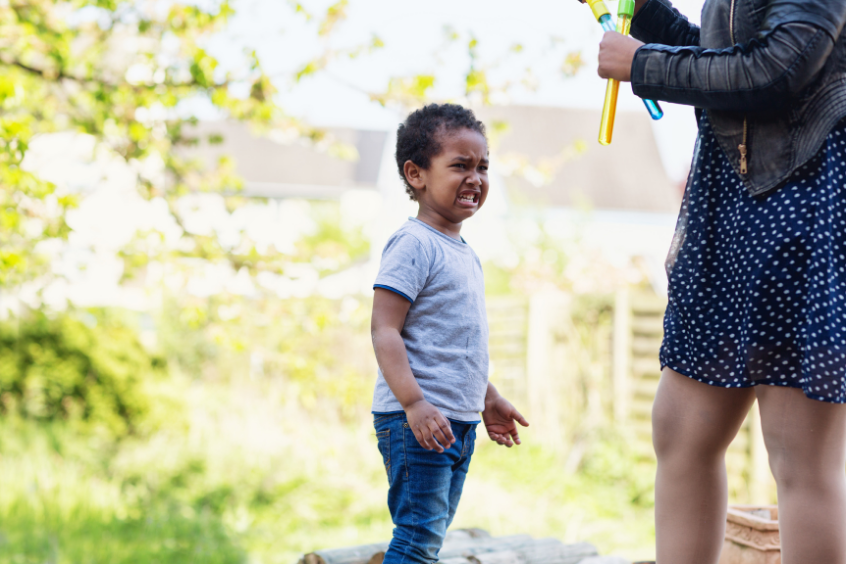
An upset toddler boy crying looking at his mother

Why Does My Toddler Hit Their Own Head When They’re Upset?

Toddlers who hit their own head when they’re upset are usually doing it to self-soothe or release big feelings they don’t yet have words for, not to hurt themselves. It’s a common, temporary behavior that most kids outgrow by age three or four. It looks alarming, but in most cases, it’s far less concerning than it seems in the moment.

Why This Behavior Happens

A toddler’s brain simply isn’t equipped yet to manage big emotions the way an older child’s is.

  • Frustration and anger are intense feelings a toddler can’t yet put into words, so the emotion comes out physically instead.
  • The repetitive motion itself can be self-soothing, similar to rocking or thumb-sucking.
  • Some toddlers learn that the behavior gets a big reaction from a parent, which can reinforce it over time, even unintentionally.

What’s Normal, and When to Pay Closer Attention

Most head-hitting falls into the “normal phase” category, but a few patterns are worth watching.

The Common, Expected Pattern

Occasional head-hitting during tantrums, especially between 18 months and 3 years old, is developmentally typical. It tends to fade on its own as language and emotional regulation improve.

When It’s Worth Mentioning to a Pediatrician

If the behavior happens outside of emotional moments, causes real injury, or shows up alongside other developmental concerns like delayed speech or limited eye contact, it’s worth bringing up at your child’s next checkup. On its own, occasional head-hitting during a tantrum isn’t considered a red flag.

How to Respond in the Moment

Staying calm yourself does more than almost anything else you can say.

Try not to react with a big, alarmed response, since that can unintentionally reinforce the behavior. Instead, calmly acknowledge the feeling, something like “You’re really frustrated right now,” while gently keeping your child safe from injury. This kind of steady response is part of the same thinking behind positive discipline classroom practices, responding to the emotion instead of just the behavior.

Mother hugging and pacifying upset crying toddler son

Why Staying Calm Actually Helps

A toddler who feels emotionally secure tends to recover from a tantrum faster than one who senses a parent’s alarm. That’s part of why emotional security foundation work matters even in moments like this one. Over time, consistent calm responses help a toddler build better ways to handle frustration.

FAQ

Is head-hitting a sign of autism?

Not on its own. It only becomes a concern when paired with other developmental signs, like delayed speech or limited social interaction. Occasional head-hitting during tantrums is common in typically developing toddlers too.

At what age does this usually stop?

Most toddlers outgrow the behavior by age three or four, as language and emotional regulation skills develop.

Should I try to physically stop my child every time?

Focus on keeping them safe rather than fully preventing the motion. Gently redirecting or cushioning the area is usually more effective than trying to stop it outright.

Key Takeaways

  • Head-hitting during tantrums is a common, usually temporary toddler behavior.
  • It typically peaks between 18 months and 3 years, then fades with age.
  • Staying calm yourself helps more than a big reaction does.
  • It’s worth mentioning to a pediatrician only if paired with injury or other developmental concerns.

We help children build healthier ways to handle big feelings every day in our classrooms. If you’d like to see how, schedule a tour or explore our programs.

The Abundant Blessings Child  Development Center

📍 1005 E Blackstock Rd Moore, SC 29369

📞 (864) 574-0910

📧 abundantblessings1005@gmail.com

🌐 abundantblessingscdc.org

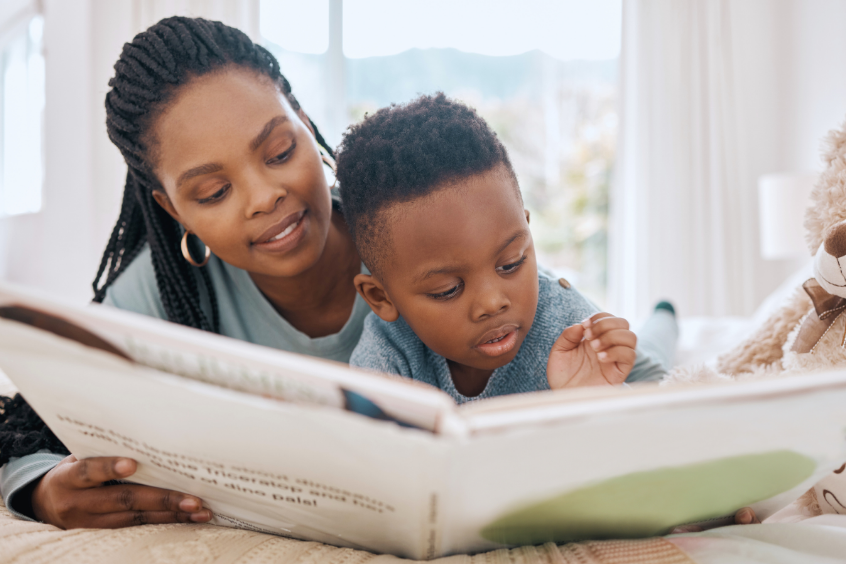
Mother reading a story book to his son

Raising Readers: Simple Ways to Build a Love of Books at Home

International Literacy Day falls on September 8, making it a good moment to think less about teaching letters and more about something bigger: raising a child who genuinely loves books. That love tends to matter more over time than any single early literacy skill.

The good news is that building it doesn’t require elaborate activities or a perfect reading routine. Small, enjoyable moments with books can help children see reading as something they look forward to, not something they have to do. 

What Reading Together Actually Builds

Vocabulary and Language, Almost Without Trying

Children hear far richer language in a storybook than in everyday conversation. New words, longer sentences, and unusual phrasing all slip in naturally while a child simply enjoys the story, in much the same hands-on, discovery-driven way children absorb ideas through play-based learning. This kind of exposure builds vocabulary long before a child can read independently.

A Quiet Kind of Emotional Connection

Story time is also connection time. Sitting close, sharing a book, and talking about characters gives children a sense of closeness that has little to do with the words on the page. That closeness is often what makes a child ask for the same book again and again.

The Payoff Reaches Far Beyond Preschool

Children who grow up around books tend to carry that comfort with reading into elementary school and well beyond. Stronger vocabulary, longer attention spans, and a general ease with language all trace back to those early years of being read to. It’s one of the simplest habits with some of the longest lasting benefits.

Building a Reading Habit at Home

A love of books rarely comes from pressure. It comes from repetition and warmth.

  • Keep books within easy reach around the house, not tucked away
  • Let your child pick the story, even if it’s the same one nightly
  • Read with expression and different voices for characters
  • Talk about the pictures, not just the words on the page
  • Visit the library together as a regular outing, not a special occasion

Consistency here matters far more than variety.

Reading as Part of Our Day

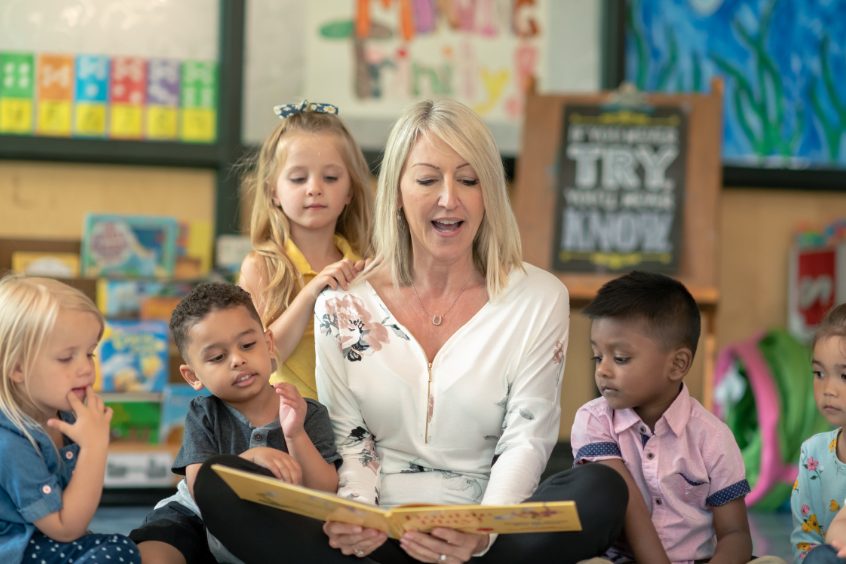
Story time is a daily anchor in our classrooms, not an occasional activity squeezed in when there’s time. It’s one of many small, everyday moments we build into our toddler and infant programs, since stories are just another form of discovery for a young child.

A preschool teacher sitting on the floor reading a book to her students who are huddled around her listening and smiling

FAQs

How young is too young to start reading to a child? 

It’s never too early. Even infants benefit from the sound, rhythm, and closeness of being read to.

My child wants the same book every night. Is that a problem? 

Not at all. Repetition helps children absorb language and predict story patterns, both valuable skills.

How long should reading time last? 

A few minutes counts. Consistency each day matters more than the length of any single session.

Key Takeaways

  • Being read to builds vocabulary and language in a natural, low pressure way.
  • Story time strengthens emotional connection between parent and child.
  • Early reading habits often carry into stronger literacy skills later on.
  • Repetition and consistency matter more than variety or pace.

At Abundant Blessings CDC, story time is woven into everyday learning, not treated as a separate lesson. Want to see how reading fits into a typical day here? Contact us to schedule a visit.

The Abundant Blessings Child  Development Center

📍 1005 E Blackstock Rd Moore, SC 29369

📞 (864) 574-0910

📧 abundantblessings1005@gmail.com

🌐 abundantblessingscdc.org
Grandparents with their grandchildren having a good time relaxing in the park

Celebrating Grandparents: The Role They Play in Early Childhood

National Grandparents Day falls on September 13, and it’s worth pausing to notice something simple. Grandparents give children a kind of love that looks different from a parent’s, not better or worse, just different. That difference matters more than people often realize.

What Grandparents Offer That’s All Their Own

Parents carry the daily weight of routines, discipline, and decisions. Grandparents usually don’t, and that changes the shape of the relationship. They tend to bring patience born from experience, a slower pace, and a kind of unconditional delight in simply being with a child. A grandparent doesn’t need to correct every mistake in the moment, so children often feel a different kind of ease around them.

The Comfort of Continuity

Grandparents also carry family history in a way no one else can. Stories about a parent’s own childhood, family traditions passed down without much explanation, and a sense that the child belongs to something bigger than their immediate household. That thread of continuity rounds out the same family connection worth celebrating on National Parents’ Day, just carried by a different generation. It gives young children a quiet kind of security, even if they can’t put words to it yet.

Simple Ways Grandparents Stay Involved

Distance or busy schedules don’t have to limit this bond much.

  • Phone or video calls on a predictable day each week
  • Sending a handwritten card or small drawing back and forth
  • Sharing a favorite family recipe together during a visit
  • Letting grandparents read the same bedtime story during a call
  • Passing down a simple family tradition, however small

Even brief, regular contact builds a relationship a child can count on.

Happy senior couple talking to someone on the phone via video call

Welcoming Grandparents Into Our Classroom

We love seeing grandparents involved here at Abundant Blessings, whether that’s a pickup day, a classroom visit, or simply asking how the week went. That extra layer of connection often eases the transition families feel when starting a new program for the first time, since familiar, loving faces reduce a lot of that early uncertainty.

FAQs

Why do children often feel so relaxed around grandparents? 

Grandparents usually aren’t responsible for daily discipline, which tends to create a more relaxed, playful dynamic.

How can long-distance grandparents stay close to a young grandchild? 

Regular video calls, shared stories, and small mailed keepsakes all help maintain a sense of closeness over distance.

Does a strong grandparent relationship actually benefit development?

 Yes, consistent, loving relationships with extended family support emotional security and a broader sense of belonging.

Key Takeaways

  • Grandparents offer a different kind of relationship than parents, built on patience and ease.
  • Family stories and traditions give children a sense of continuity.
  • Small, consistent contact matters more than grand gestures.
  • Involving grandparents in daily life supports a child’s emotional security.

We’re always glad to welcome grandparents into life at Abundant Blessings CDC, whether that’s a classroom visit or simply a familiar face at pickup. Want to know more about how our programs support the whole family? Contact our team to learn more.

The Abundant Blessings Child  Development Center

📍 1005 E Blackstock Rd Moore, SC 29369

📞 (864) 574-0910

📧 abundantblessings1005@gmail.com

🌐 abundantblessingscdc.org
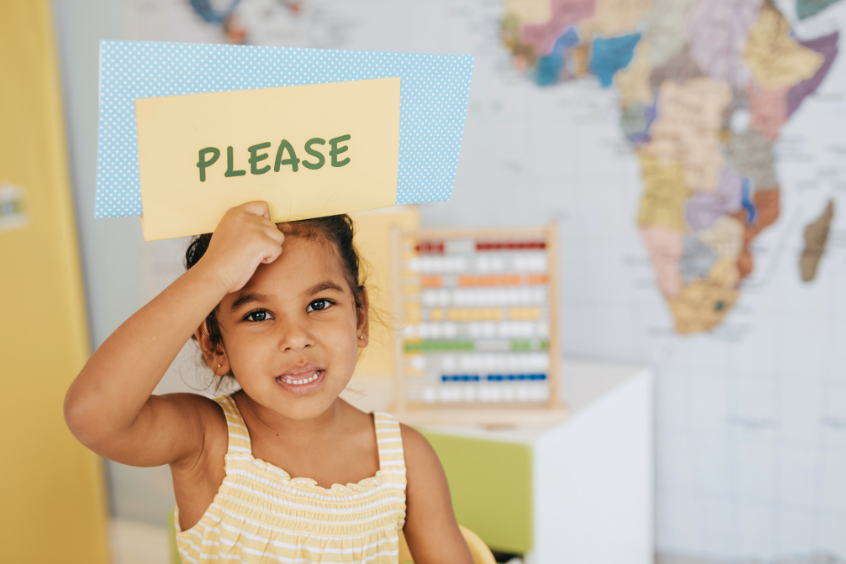
A young girl holding a please sign

Teaching Manners That Matter: Everyday Etiquette for Little Ones

September marks Children’s Good Manners Month, a good nudge to focus on something concrete and practical: the everyday etiquette that helps young children move through the world with a little more ease, at the table, in stores, and with other kids.

Everyday Manners Worth Teaching Early

A handful of basics go a long way at this age.

  • Saying please and thank you without a reminder every time
  • Waiting for a turn to speak instead of interrupting
  • Greeting people with a simple hello or wave
  • Saying excuse me when interrupting or passing by
  • Asking before taking something that belongs to someone else

These small habits, repeated often enough, eventually become automatic.

Modeling Matters More Than Reminders

Preschoolers learn manners far more from what they see than from what they’re told. A parent who says thank you to a cashier or holds the door for someone teaches more in that moment than a dozen reminders could. Consistency from the adults around a child matters just as much as any direct instruction.

Table Manners, Simplified

Mealtime is one of the easiest places to practice etiquette naturally. Staying seated, using utensils reasonably well, and asking to be excused before leaving the table are all reasonable expectations for a preschooler. None of this needs to be perfect. A few consistent expectations, repeated calmly at every meal, tend to stick better than strict rules enforced occasionally.

Manners in Public

At Stores and Restaurants

Practicing an indoor voice, waiting patiently in line, and using polite words with strangers all transfer well from home to public spaces. A quick reminder before walking in often helps more than a correction once you’re already there.

Around Other Children

Sharing, taking turns, and using kind words during play are all forms of manners too, not just formal politeness. These habits tend to make playtime smoother and reduce the number of small conflicts that come up.

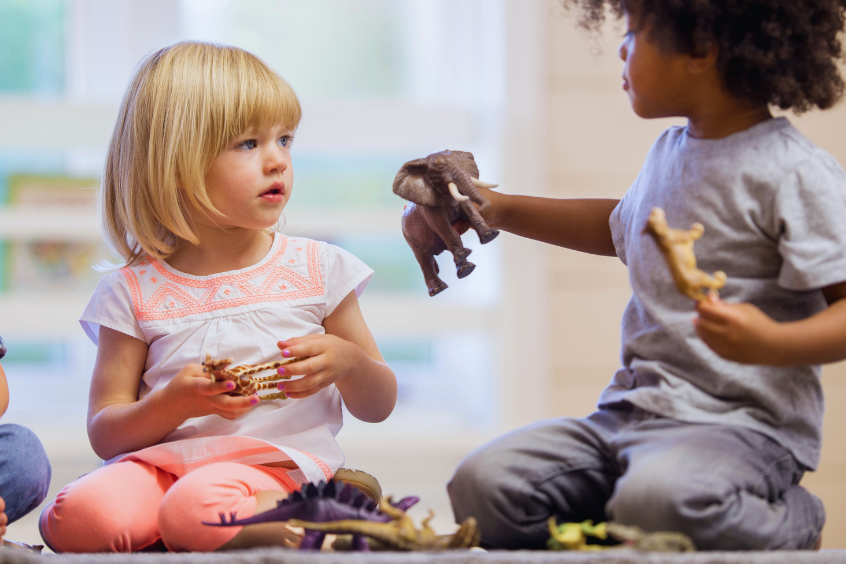
Children playing together and sharing with plastic animal toys at day care

FAQs

At what age should I start teaching manners? 

Around age two or three, children can begin learning simple habits like please and thank you, with consistent modeling.

My child forgets to say please most of the time. Is that normal? 

Very normal. Gentle, consistent reminders work better than frustration, and it does click eventually with repetition.

How can I reinforce manners without constant correction? 

Model the behavior yourself, and praise it specifically when you notice your child using good manners on their own.

Key Takeaways

  • A handful of consistent habits, like please and thank you, go a long way.
  • Children learn manners more from watching than from being told.
  • Table manners are easiest to build through repetition at every meal.
  • Public manners transfer well when practiced calmly and consistently at home.

Good manners are part of the everyday rhythm we build into our classrooms at Abundant Blessings CDC, the same way they’re part of a steady routine like a family dinner at home or getting ready for a new preschool routine. Want to see how we build these habits day to day in our programs? Contact our team to learn more.

The Abundant Blessings Child  Development Center

📍 1005 E Blackstock Rd Moore, SC 29369

📞 (864) 574-0910

📧 abundantblessings1005@gmail.com

🌐 abundantblessingscdc.org

Family enjoying dinner at home

Why Family Dinners Matter More Than You Think

Family Day falls on September 22 this year, built around one simple idea: eating dinner together as a family. It sounds almost too small to matter, yet it’s one of the most consistent habits linked to how children grow, talk, and feel connected at home.

Why This Simple Habit Carries So Much Weight

Dinner isn’t just about food. It’s one of the few times in a busy day when the whole family sits still together, without screens or schedules pulling attention elsewhere. For young children especially, that steady rhythm builds a sense of security. They come to expect it, and that expectation itself is comforting.

What Actually Happens Developmentally at the Table

Mealtime conversation exposes children to new words, longer sentences, and back and forth exchange in a low pressure setting. It also gives them practice with patience, waiting for a turn to speak, and simple table manners that carry into other settings. None of this requires structured teaching. It happens naturally, just from sitting together night after night.

Making It Work on Busy Nights

Not every family has time for an elaborate sit-down meal, and that’s alright. A few small adjustments can make the habit realistic.

  • Keep meals simple. A sandwich and fruit at the table still counts.
  • Set a consistent time, even if it shifts slightly night to night.
  • Put away phones, even for just fifteen minutes.
  • Let your child help set the table or choose a side dish.
  • Ask one simple question, like the best part of their day.

Consistency matters more than what’s actually on the plate.

Handling the Harder Nights

When Everyone Is Tired

Some nights won’t go smoothly, and that’s normal. A shorter meal together still counts more than skipping it entirely.

When Mealtime Turns Into a Meltdown

Preschoolers sometimes struggle with sitting still or facing a food they don’t like, and that frustration can spill over quickly. The same calm, consistent approach that helps with tantrums in other parts of the day works well at the table too. Staying steady, rather than reactive, tends to shorten the moment.

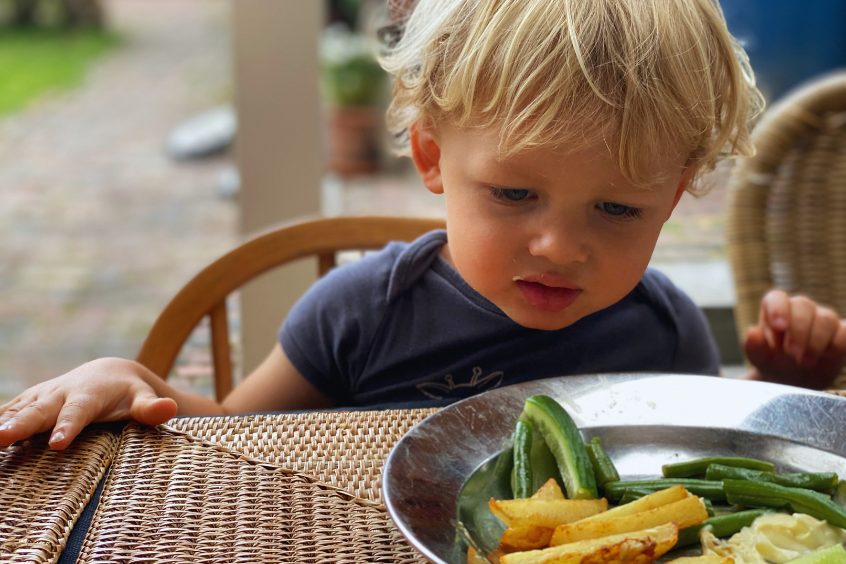
A toddler looking down with a doubtful or unenthusiastic expression at a metal plate of green beans and french fries. 

Nutrition Plays a Role Too

Family meals are also a natural chance to model healthy eating, since children often try new foods when they see adults enjoying them first. Pairing that habit with a few brain-boosting foods on the plate gives the whole ritual a bit of extra value.

FAQs

How often should families aim to eat dinner together? 

Even a few nights a week makes a meaningful difference. Consistency matters more than perfection.

What if my child refuses to sit through a whole meal? 

Start with a shorter expectation and build up gradually. A few minutes of engaged sitting is a fine starting point.

Does it matter what’s actually served? 

Not as much as people think. The togetherness and conversation carry most of the benefit.

Key Takeaways

  • Family dinners support language development and emotional security.
  • Consistency matters more than an elaborate meal.
  • Staying calm during mealtime struggles helps them pass more quickly.
  • Even a simple meal together, a few nights a week, adds up over time.

At Abundant Blessings CDC, we know that habits built at home carry into the classroom, which is part of why our preschool program puts so much focus on the whole child. Want to talk through what a typical day looks like here? Contact our team to learn more.

The Abundant Blessings Child  Development Center

📍 1005 E Blackstock Rd Moore, SC 29369

📞 (864) 574-0910

📧 abundantblessings1005@gmail.com

🌐 abundantblessingscdc.org

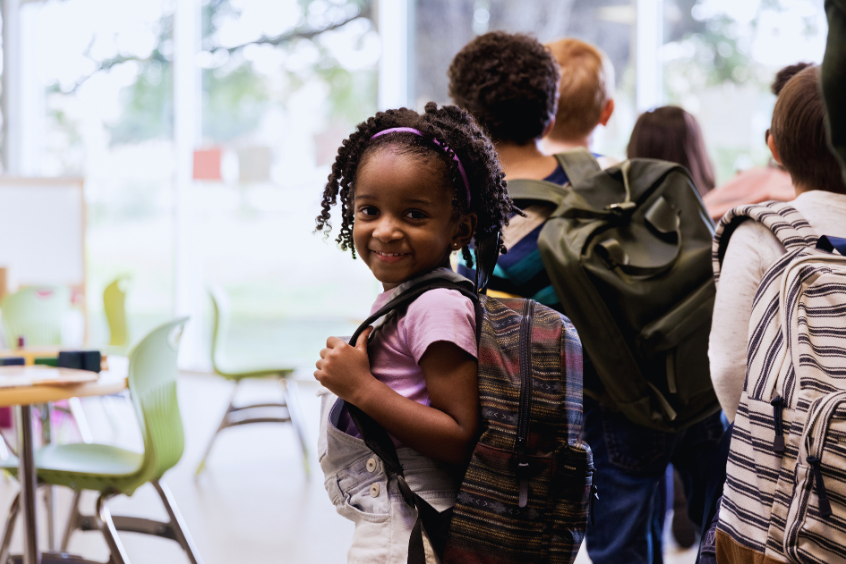
Adorable little girl smiles in her kindergarten classroom wearing a backpack

Backpack Safety 101: Choosing and Wearing the Right Backpack for Preschoolers

National School Backpack Awareness Day falls on September 16, and it’s a small detail that’s easy to overlook once the school year gets moving. A backpack that’s too heavy or worn the wrong way can cause real strain on a small body, even one as light as a preschooler’s.

Signs a Backpack Isn’t Fitting Right

A few warning signs are easy to spot once you know what to look for.

  • Your child leans forward noticeably while walking
  • Red marks or indentations appear on the shoulders after wearing it
  • They struggle to put it on or take it off without help
  • The backpack hangs more than a few inches below the waist
  • Your child complains of back or shoulder discomfort

Any one of these is worth a second look at the fit.

Choosing the Right Size for a Small Frame

Preschool backpacks should be proportioned to a child’s body, not just their grade level. A good rule of thumb is that the loaded bag shouldn’t weigh more than about ten percent of a child’s body weight. Look for a backpack with padded, adjustable straps and a snug fit against the back, rather than one designed to grow with them for years.

Packing It the Smart Way

What Actually Needs to Go In

Preschoolers rarely need to carry much. A change of clothes, a water bottle, and maybe a small blanket or comfort item usually cover it. Heavier items like extra books or toys can wait for home.

Where the Weight Should Sit

Distribute anything heavier toward the bottom and center of the bag, close to the spine. This keeps the pack from pulling backward and throwing off a child’s balance.

Building the Habit Early

Teaching a child to use both straps, rather than slinging the bag over one shoulder, sets a habit that carries into elementary school and beyond. Practicing at home before the school year fully ramps up gives them a chance to get comfortable with putting it on and taking it off independently, something that also builds the kind of everyday confidence we talk about in helping children build independence before kindergarten. A well-fitted, well-packed bag is one less thing adding to the adjustment of settling into new back-to-school routines.

FAQs

How heavy is too heavy for a preschooler’s backpack? 

A good guideline is no more than about ten percent of your child’s body weight, fully packed.

Should my child wear the backpack on one shoulder? 

No, both straps should be used every time to keep weight evenly distributed and avoid strain.

What size backpack is right for a preschooler? 

Look for one sized specifically for young children, with a snug fit and shoulder straps that adjust as they grow.

Key Takeaways

  • A loaded backpack shouldn’t exceed about ten percent of a child’s body weight.
  • Keep heavy items low and close to the back for better balance.
  • Using both straps every time helps prevent strain and bad habits.
  • Practicing independence with the backpack at home eases the transition.

We help children build these small daily habits as part of our preschool programs, from putting on a backpack to managing their own belongings. Have questions about what to expect this school year? Contact our team to learn more.

The Abundant Blessings Child  Development Center

📍 1005 E Blackstock Rd Moore, SC 29369

📞 (864) 574-0910

📧 abundantblessings1005@gmail.com

🌐 abundantblessingscdc.org
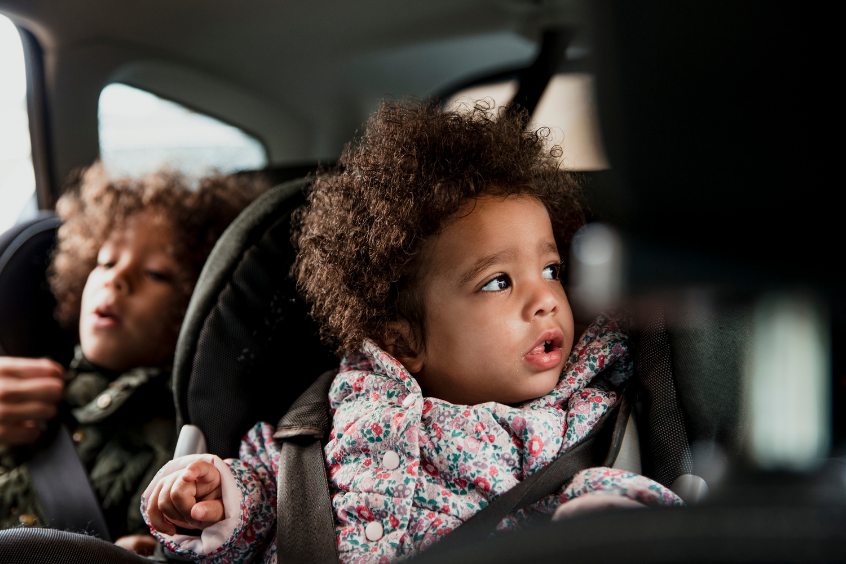
Two young children in the back of the car in separate car seats

Car Seat Safety Checklist for Moore, SC Families

Child Passenger Safety Week runs September 21 through 27, and it’s worth a reminder that most car seat mistakes come from well-meaning parents, not careless ones. Buckles, harness heights, and recline angles change more often than people expect as a child grows. A quick check now can prevent a lot of worry later.

Why This Still Trips Up So Many Families

Car seats look simple, but small details matter more than most parents realize. A harness that sits too loose, a chest clip positioned too low, or a seat installed at the wrong angle can all reduce how well a seat protects a child in a crash. None of these mistakes come from negligence. They come from a lack of clear, simple guidance, which is exactly what this week is meant to address.

Getting the Basics Right

Choosing the Right Seat for Your Child’s Age and Size

South Carolina law bases seat requirements on age, weight, and height, not a single cutoff date. Rear-facing seats offer the most protection for infants and toddlers, and most safety experts recommend keeping children rear-facing as long as the seat allows.

Installing It Correctly, Every Single Time

If a seat moves more than an inch at the belt path, it’s too loose. Many fire and police stations offer free installation checks, and taking advantage of one is worth the twenty minutes it takes.

Knowing When to Move to the Next Stage

Moving a child to a forward-facing seat, then a booster, then a regular seatbelt should happen based on size, not age alone. Rushing this progression is one of the most common mistakes parents make.

Mistakes Even Careful Parents Make

  • Loosening the harness because a child complains it feels tight
  • Leaving a bulky winter coat on under the harness straps
  • Switching stages too early because a car seat feels outgrown
  • Reusing a seat that was in a previous accident

Each of these seems minor in the moment, but they can meaningfully reduce how well a seat performs.

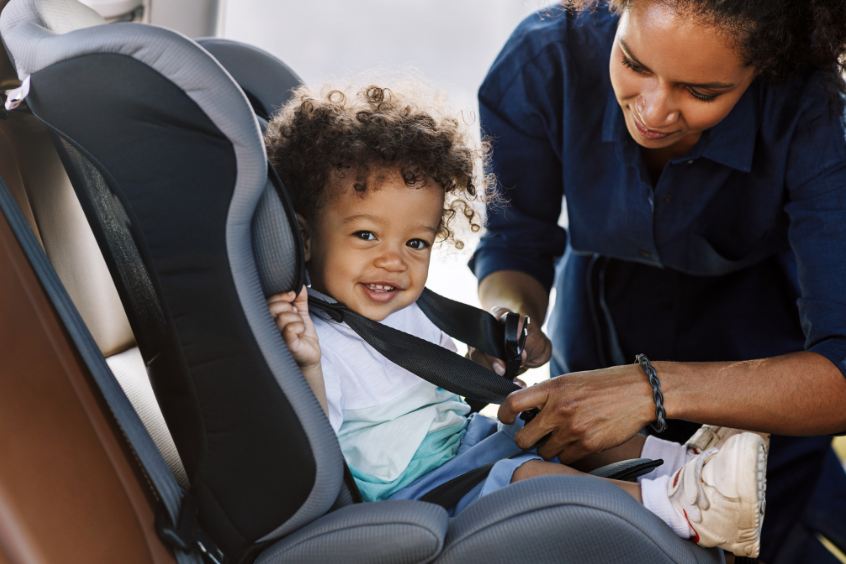
Mother strapping son safely into the car seat

How We Reinforce Safety at Pick Up and Drop Off

Our staff keeps an eye out during arrival and dismissal, gently mentioning anything that looks off with a harness or buckle. It’s a small habit, but it reflects the same attention to detail families can expect once their child is on campus, the same kind of care we bring to every part of health and safety compliance before enrollment.

FAQs

When should my child switch from rear-facing to forward-facing? 

Once they exceed the rear-facing height or weight limit for their specific seat, usually well past their second birthday.

Where can I get my car seat installation checked for free? 

Many local fire departments and police stations offer certified installation checks at no cost.

Is it safe to reuse a car seat from a previous child? 

Only if it has never been in a crash and hasn’t exceeded its expiration date, typically six to ten years from manufacture.

Key Takeaways

  • Most car seat mistakes come from unclear guidance, not carelessness.
  • Rear-facing as long as possible offers the most protection.
  • Free installation checks are available through local fire and police stations.
  • Staying at each stage a bit longer is safer than rushing to the next one.

Safety is part of everything we do here, the same standards families can expect from any licensed childcare program in Moore. Have questions about our safety practices? Contact our team to learn more.

The Abundant Blessings Child  Development Center

📍 1005 E Blackstock Rd Moore, SC 29369

📞 (864) 574-0910

📧 abundantblessings1005@gmail.com

🌐 abundantblessingscdc.org