

Family Day falls on September 22 this year, built around one simple idea: eating dinner together as a family. It sounds almost too small to matter, yet it’s one of the most consistent habits linked to how children grow, talk, and feel connected at home.
Why This Simple Habit Carries So Much Weight
Dinner isn’t just about food. It’s one of the few times in a busy day when the whole family sits still together, without screens or schedules pulling attention elsewhere. For young children especially, that steady rhythm builds a sense of security. They come to expect it, and that expectation itself is comforting.
What Actually Happens Developmentally at the Table
Mealtime conversation exposes children to new words, longer sentences, and back and forth exchange in a low pressure setting. It also gives them practice with patience, waiting for a turn to speak, and simple table manners that carry into other settings. None of this requires structured teaching. It happens naturally, just from sitting together night after night.
Making It Work on Busy Nights
Not every family has time for an elaborate sit-down meal, and that’s alright. A few small adjustments can make the habit realistic.
- Keep meals simple. A sandwich and fruit at the table still counts.
- Set a consistent time, even if it shifts slightly night to night.
- Put away phones, even for just fifteen minutes.
- Let your child help set the table or choose a side dish.
- Ask one simple question, like the best part of their day.
Consistency matters more than what’s actually on the plate.
Handling the Harder Nights
When Everyone Is Tired
Some nights won’t go smoothly, and that’s normal. A shorter meal together still counts more than skipping it entirely.
When Mealtime Turns Into a Meltdown
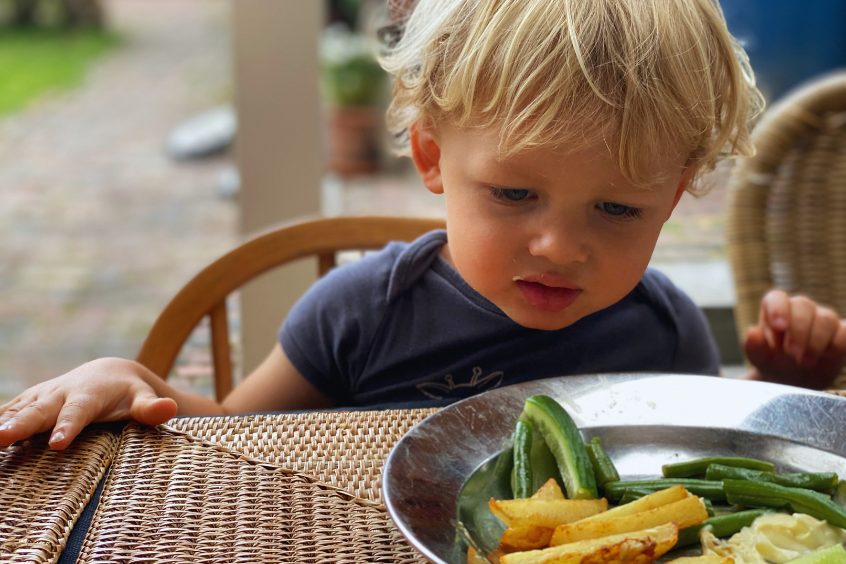
Preschoolers sometimes struggle with sitting still or facing a food they don’t like, and that frustration can spill over quickly. The same calm, consistent approach that helps with tantrums in other parts of the day works well at the table too. Staying steady, rather than reactive, tends to shorten the moment.
Nutrition Plays a Role Too
Family meals are also a natural chance to model healthy eating, since children often try new foods when they see adults enjoying them first. Pairing that habit with a few brain-boosting foods on the plate gives the whole ritual a bit of extra value.
FAQs
How often should families aim to eat dinner together?
Even a few nights a week makes a meaningful difference. Consistency matters more than perfection.
What if my child refuses to sit through a whole meal?
Start with a shorter expectation and build up gradually. A few minutes of engaged sitting is a fine starting point.
Does it matter what’s actually served?
Not as much as people think. The togetherness and conversation carry most of the benefit.
Key Takeaways
- Family dinners support language development and emotional security.
- Consistency matters more than an elaborate meal.
- Staying calm during mealtime struggles helps them pass more quickly.
- Even a simple meal together, a few nights a week, adds up over time.
At Abundant Blessings CDC, we know that habits built at home carry into the classroom, which is part of why our preschool program puts so much focus on the whole child. Want to talk through what a typical day looks like here? Contact our team to learn more.
The Abundant Blessings Child Development Center
📍 1005 E Blackstock Rd Moore, SC 29369
📞 (864) 574-0910
📧 abundantblessings1005@gmail.com
🌐 abundantblessingscdc.org