Spotting the Signs of Vision Struggles in Preschool and Pre-K Students
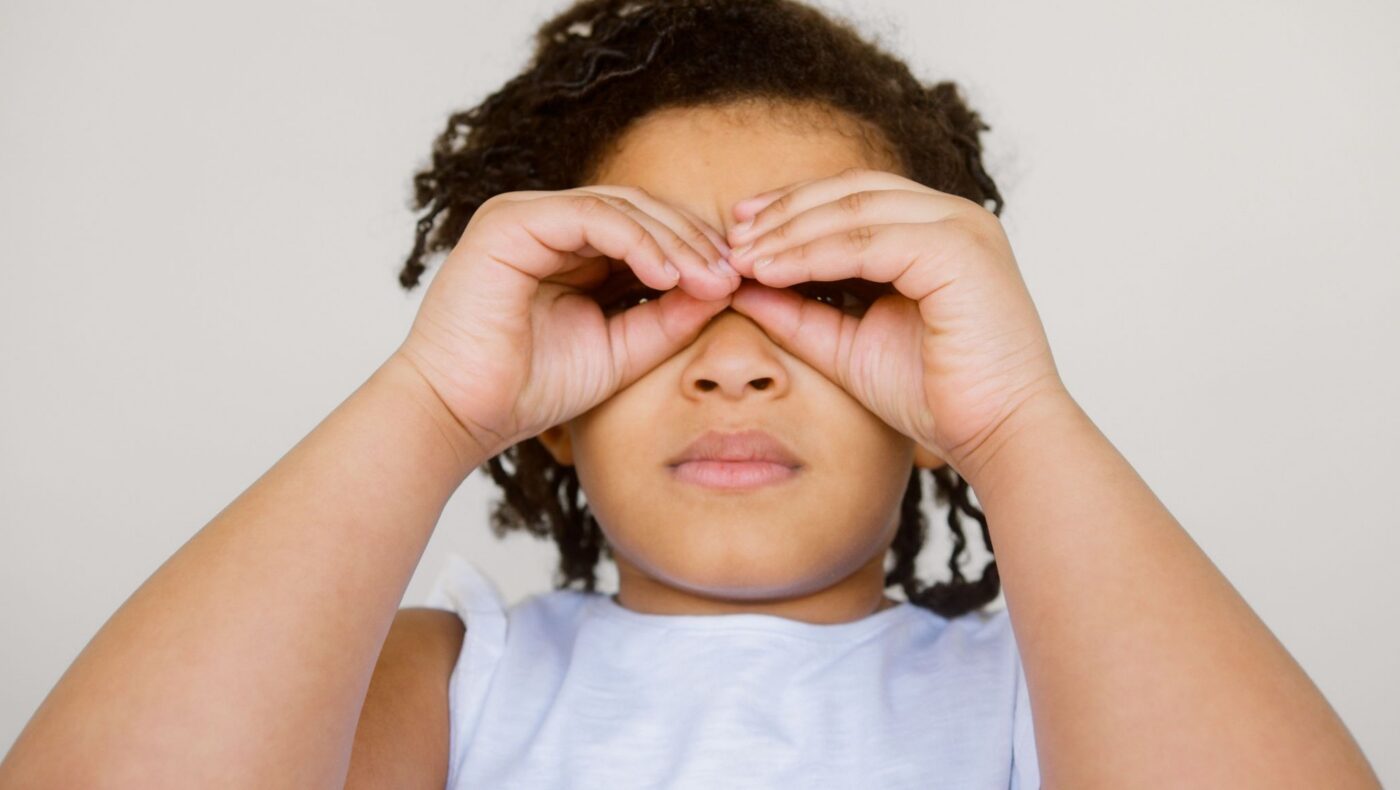
August is Children’s Vision and Learning Month, a good reminder that healthy eyesight plays a bigger role in early learning than many parents realize. Preschoolers rarely say “I can’t see well.” Instead, vision struggles tend to show up as behavior, frustration, or a sudden dip in attention.
Why Vision Matters So Much at This Age
So much of early learning happens visually, from recognizing letters and shapes to tracking a teacher’s movements across the room. A child struggling to see clearly may not realize anything is wrong, since they’ve never known anything different. That’s what makes early screening and parent awareness so important.
Common Signs of Vision Struggles to Watch For
Vision problems in young children often look like something else entirely. Here are signs worth paying attention to:
- Sitting unusually close to books, screens, or the TV
- Rubbing eyes frequently, even when not tired
- Squinting or tilting the head to look at something
- Avoiding activities that involve close focus, like puzzles or coloring
- Clumsiness or bumping into things more than usual
- Complaints of headaches after visual tasks
If you notice a pattern of these behaviors, it’s worth mentioning to your pediatrician or scheduling a vision screening.
How Vision Struggles Can Look Like Something Else
A child who can’t see the board clearly might seem inattentive or easily distracted, when the real issue is visual, not behavioral. This overlap can make vision struggles tricky to catch, especially in a busy classroom. The same is true when spotting the signs of a gifted preschooler, since looking closer at what’s behind a child’s behavior often reveals something worth understanding better.
What Happens During a Vision Screening
A basic vision screening is quick and painless, often just a series of simple, game-like tasks. Pediatricians typically recommend a first screening around age three or four, with follow-ups as needed. Catching an issue early, before school routines are in full swing, makes adjustment far smoother. This kind of early preparation fits naturally alongside other back-to-school health steps families are already thinking through this month.
How We Support Children in the Classroom
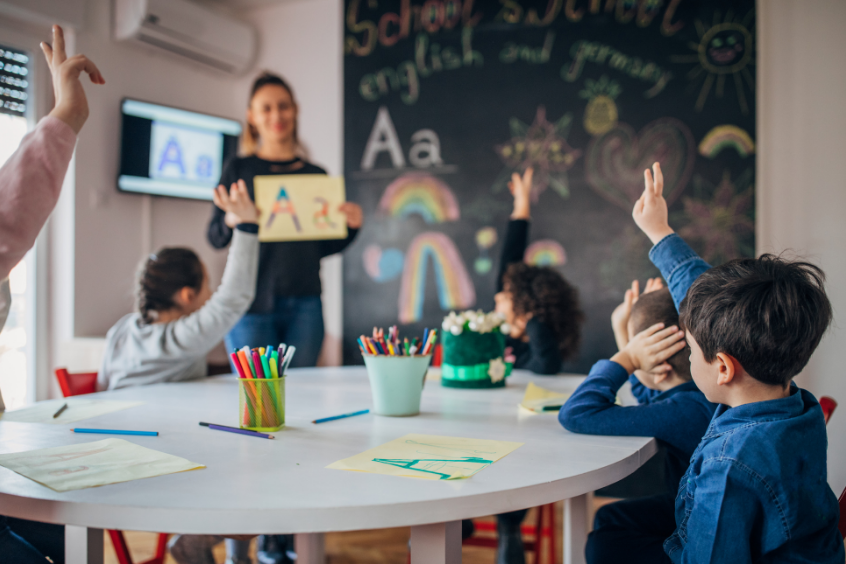
Our teachers are trained to notice small shifts in behavior, including signs that might point to a vision concern. Seating arrangements, lighting, and activity choices can all be adjusted to support a child while families pursue further evaluation. Open communication between our team and parents makes a real difference here.
FAQs
At what age should my child have their first vision screening?
Most pediatricians recommend an initial screening around age three, with regular checks afterward.
My child doesn’t complain about their eyes. Could there still be a problem?
Yes, young children often don’t realize their vision is different from normal. Watching for behavioral signs matters more than waiting for complaints.
What should I do if I notice signs of vision trouble?
Mention it to your pediatrician or request a vision screening. Early evaluation makes early support possible.
Key Takeaways
- Vision struggles in young children often show up as behavior, not complaints.
- Common signs include squinting, eye rubbing, and avoiding close-focus activities.
- Vision issues can look like inattentiveness or distraction in the classroom.
- Early screening supports a smoother start to preschool and beyond.
At Abundant Blessings CDC, our teachers watch closely for the small signs that matter, including vision. Have questions about how we support your child’s development? Contact our team to learn more.
The Abundant Blessings Child Development Center
📍 1005 E Blackstock Rd Moore, SC 29369
📞 (864) 574-0910
📧 abundantblessings1005@gmail.com
🌐 abundantblessingscdc.org