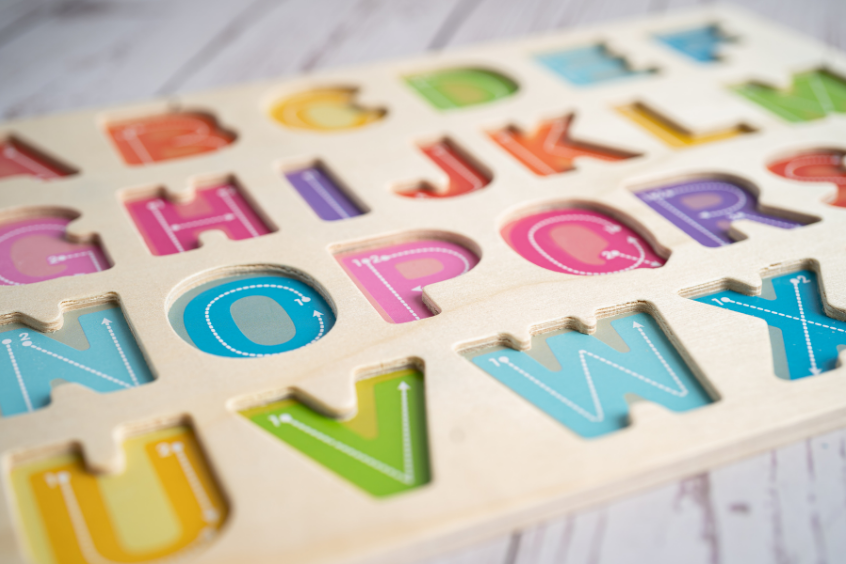
Fun Letter-Recognition Activities to Try With Your Preschooler at Home
Learning letters doesn’t have to feel like a worksheet. Preschoolers learn best through hands-on, playful practice, not repetition and drills. Many parents worry about “teaching” letters the right way. The truth is, everyday play already builds this skill naturally. These simple activities build letter recognition without any pressure at all.
Why Letter Recognition Matters Early
Letter recognition is one of the first building blocks of reading. Children who recognize letters early often transition into reading more smoothly later on. This skill also builds real confidence before kindergarten begins. Many kindergarten classrooms expect some letter familiarity on day one. The good news is that it’s easy to practice through everyday play, no flashcards required.
Hands-On Letter Activities to Try Today
Skip the worksheets, and try these playful ideas instead:
- Trace letters in a tray of sand, rice, or shaving cream.
- Hunt for magnetic letters hidden inside a sensory bin.
- Build letters using play dough or bendable pipe cleaners.
- Go on a letter scavenger hunt around the house.
- Sing simple letter-sound songs during clean-up time.
- Match uppercase and lowercase letter cards together.
Rotate a few activities each week to keep things fresh. Preschoolers often stay more engaged with variety and hands-on movement.
Turning Everyday Moments into Letter Practice
You don’t need special materials to build this skill at home. Point out letters on cereal boxes during breakfast. Name the first letter of your child’s name often. Read books aloud together, and pause on familiar letters. Small, repeated moments add up more than you’d expect.
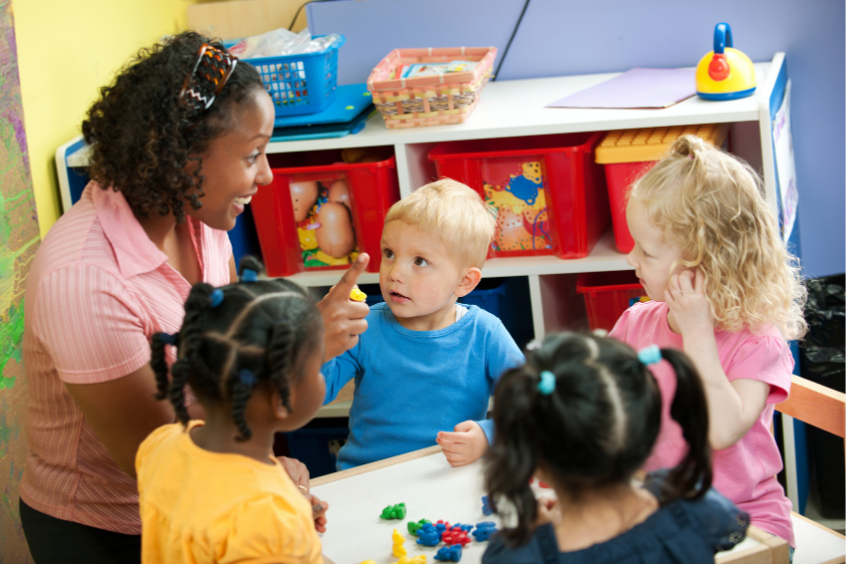
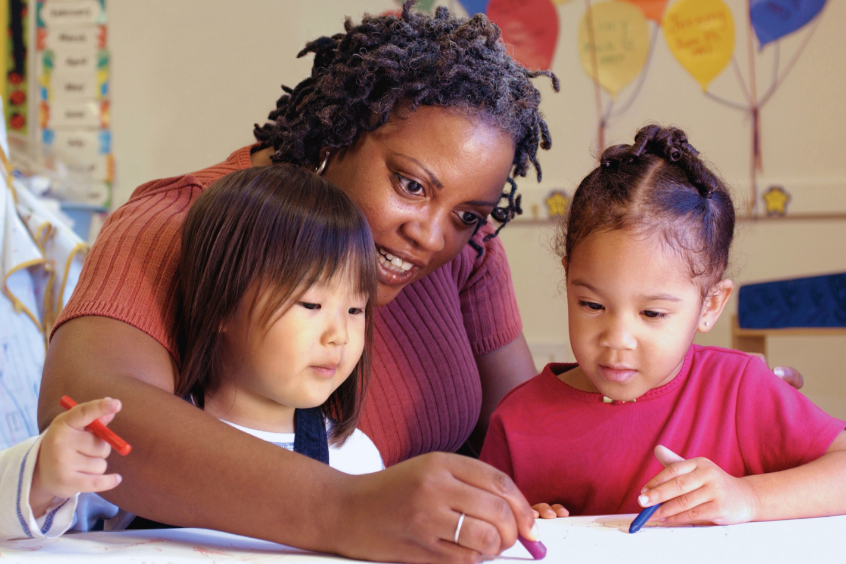
Our approach to play-based learning in early childhood explains why hands-on activities like these matter so much. Play isn’t a break from learning. For preschoolers, it often is the learning.
Keeping Practice Low-Pressure
Letter recognition develops at different speeds for every child. Avoid turning practice into a test, or a source of stress. Celebrate small wins, like recognizing one new letter this week. A relaxed, encouraging approach builds both skill and confidence over time.
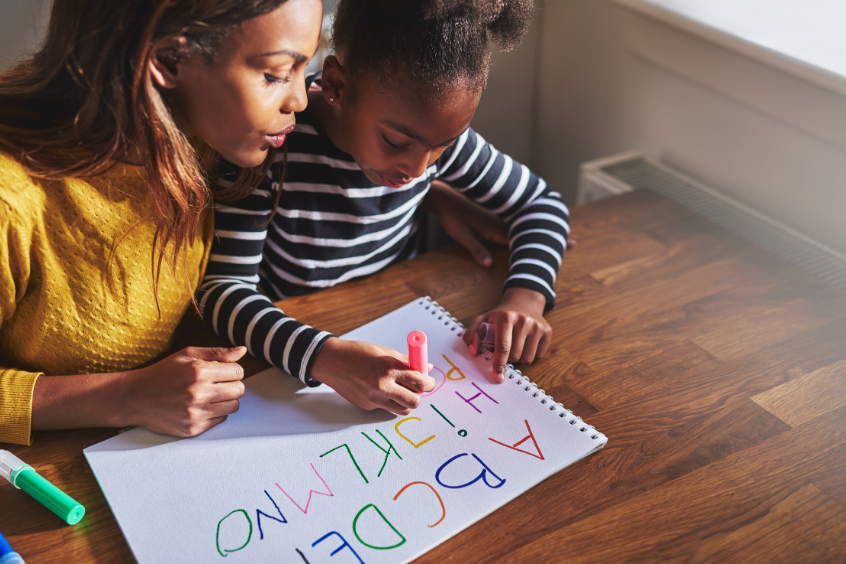
Frequently Asked Questions
At what age should preschoolers start recognizing letters?
Most children begin around age three, though pace varies for every child. Some start earlier, and some take a bit longer.
My child confuses similar-looking letters. Is that normal?
Yes, very normal. Letters like “b” and “d” often confuse preschoolers, and this improves naturally with practice.
How much practice is enough each day?
Just a few minutes count. Short, frequent practice works better than long, forced sessions for young children.
Key Takeaways
- Letter recognition builds an important foundation for early reading.
- Hands-on activities work better than worksheets for most preschoolers.
- Everyday moments, like breakfast or bath time, offer easy practice.
- Progress varies by child, and that pace is completely normal.
Our preschool program builds early literacy into everyday hands-on play. Our certified teachers can share more activity ideas suited to your child’s stage and interests. Contact our team to learn more or schedule a visit today.
The Abundant Blessings Child Development Center
📍 1005 E Blackstock Rd Moore, SC 29369
📞 (864) 574-0910
📧 abundantblessings1005@gmail.com
🌐 abundantblessingscdc.org