The Importance of Outdoor Play in a Digital World

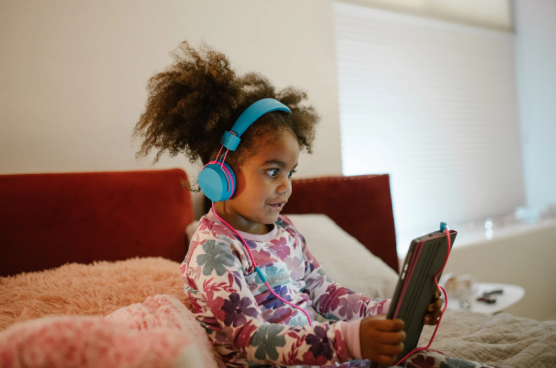
In today’s digital age, it’s all too easy for kids to get caught up in tablets, phones, TV, and video games. While technology has its place, it’s essential to remember the importance of outdoor play in a child’s development. After all, spending time outdoors provides a wealth of benefits that digital devices just can’t match. At Abundant Blessings Child Development Center, we believe in balancing screen time with plenty of time for children to explore, play, and grow outside.

Outdoor play helps children develop both physically and emotionally. It encourages creativity, teamwork, and a connection to the world around them, helping them grow into well-rounded individuals.

Physical Benefits of Outdoor Play

One of the most significant advantages of outdoor play is the physical benefits it offers. Running, climbing, and playing games outside improve children’s motor skills, strength, and coordination. These activities allow children to develop their muscles and bones while helping with balance and flexibility.

  • Improved fitness: Kids who spend time outside are more likely to stay active and maintain healthy habits.
  • Better sleep: Physical activity outdoors often leads to better sleep patterns, helping children rest and recover for the next day.


Outdoor play is essential for building a child’s physical health in ways that digital screens simply cannot replicate.

Mental Health and Emotional Growth

Beyond the physical benefits, outdoor play is a great way for kids to improve their mental and emotional well-being. Nature and open spaces encourage exploration, curiosity, and a sense of wonder that boosts cognitive development. It also helps children relieve stress, manage emotions, and develop social skills through interaction with peers.

We see firsthand how outdoor play reduces anxiety and improves mood. When children engage in active play outside, they not only have fun, but they also learn important emotional skills, like managing frustration and sharing with others.

Social Skills and Creativity

Outdoor environments are perfect for fostering social skills and creativity. Whether it’s building a fort, playing a team game, or simply exploring nature, kids learn how to work together, communicate, and resolve conflicts. These interactions are important in developing emotional intelligence and empathy, which are essential for healthy relationships.

  • Teamwork: Outdoor games and activities encourage cooperation.
  • Problem-solving: Creating play scenarios and figuring out how to use natural materials fosters creativity.


Children who spend time outdoors are better equipped to navigate social situations both at school and in their personal lives.

Balancing Technology with Outdoor Play

While it’s impossible to escape technology completely, it’s important to strike a balance. Encouraging outdoor play, alongside responsible screen time, allows children to benefit from both worlds. We prioritize outdoor play, while also offering programs like our First Step Program and Preschool Programs, which incorporate technology in an engaging and educational way.

By finding a balance, we help kids make the most of both outdoor activities and digital learning. After all, it’s about creating well-rounded, healthy, and curious learners.

Prioritizing Outdoor Play for a Healthier Future

In our digital world, it’s more important than ever to make time for outdoor play. The benefits are clear: improved physical health, better mental well-being, enhanced social skills, and a stronger sense of creativity. At Abundant Blessings Child Development Center, we strive to create an environment where kids can thrive both inside and outside the classroom.

🏫 Abundant Blessings Child Development Center

📍1005 E Blackstock Rd, Moore, SC, United States, 29369

📞 (864) 574‑0910

📧 abundantblessings1005@gmail.com

🌐 www.abundantblessingscdc.org

Outdoor play is crucial to your child’s development. Let’s make sure they’re getting the balance they need to grow, learn, and thrive!

Simple Ways to Boost Your Child’s Language Development

Language development is one of the most exciting parts of early childhood. Watching your little one go from babbling to full conversations is a true joy. As a childcare owner, I’ve seen firsthand how simple everyday moments can make a world of difference. The best part? You don’t need fancy tools or structured lessons to boost your child’s language skills. A little consistency, encouragement, and love go a long way.

Make Conversations Part of Your Day

Talk with your child as often as you can, even during small tasks. Folding laundry, cooking dinner, or driving to school are perfect times to chat. Ask questions, describe what you’re doing, and let them share in their own way.

Sometimes, it’s not about the number of words but the quality of interaction. When children feel heard, they’re more likely to express themselves. So slow down, make eye contact, and give them time to respond.

Read Together Every Day

Reading is a powerhouse for language growth. Picture books, silly rhymes, or bedtime stories all spark curiosity and build vocabulary. Children love hearing the rhythm of words, and the repetition makes it easier for them to remember.

Point to pictures and let your child name what they see. Pause and ask questions like “What happens next?” This keeps storytime interactive and strengthens comprehension.

Sing, Play, and Pretend

Songs and rhymes are magical for language development. The playful rhythm sticks in a child’s memory and builds stronger word connections. Even silly songs make learning fun.

Pretend play is another wonderful tool. When kids take on roles like a chef, doctor, or parent, they practice new words naturally. Plus, they gain confidence by experimenting with different ways of speaking.

Encourage Independence with Choices

Giving children simple choices sparks conversation. Ask if they want an apple or a banana, or let them choose between crayons and markers. These small decisions push them to use their words and express preferences.

Independence builds confidence, and confidence fuels communication. At Golden Child Development Center, we encourage little learners to take part in decisions throughout the day. It helps prepare them for school, friendships, and the real world.

Conclusion

Supporting language development doesn’t have to be complicated. Talking, reading, singing, and playing are powerful tools that fit right into daily routines. For parents in South Carolina seeking free, high-quality childcare for your four-year-old, the First Steps 4K program offers an excellent opportunity to support both learning and growth. With patience, love, and consistency, you’ll see your child’s language skills blossom beautifully.

🏫 Abundant Blessings Child Development Center
📍1005 E Blackstock Rd, Moore, SC, United States, 29369

📞 (864) 574‑0910

📧 abundantblessings1005@gmail.com

🌐 www.abundantblessingscdc.org

Potty Training Tips That Actually Work (from Teachers Who’ve Been There)

Potty training can be both exciting and challenging for parents. As part of your child’s early childhood development, this milestone is something to be celebrated, even with a few bumps along the way. It’s not just about teaching your child how to use the potty. It’s about fostering independence, boosting confidence, and creating healthy habits that will last a lifetime. 

At Abundant Blessings Child Development Center, we’ve seen firsthand how much patience, consistency, and support it takes to make potty training successful. Every child is different, so understanding what works best for your little one is key. That’s why we’ve put together five potty training tips that really work, based on our experience with toddlers. With the right approach, you can turn potty training into a positive and rewarding experience for both you and your child.

Wait for the Signs of Readiness

The best time to start potty training is when your child shows signs that they are ready. These signs include staying dry for longer periods, showing interest in adult bathroom habits, or telling you when they need to go. Rushing the process can cause unnecessary frustration for both you and your child, so let them guide you when they are truly ready.

Make Potty Time Fun

Turning potty time into a fun and rewarding experience is a great way to motivate your child. Use colorful training pants, play their favorite song, or read a potty-themed book. Offer praise and rewards like stickers or extra playtime when they use the potty correctly. Make it light-hearted and encouraging, and avoid making it feel like a chore.

Set a Consistent Routine

Consistency helps toddlers understand what’s expected of them. Take your child to the bathroom at regular intervals throughout the day, especially after meals, before naps, and when they wake up. A predictable routine will help them feel more confident and know what to expect, making the transition easier.

Encourage Independence

As your child becomes more comfortable with using the potty, encourage them to do as much as they can on their own. Let them pull down their pants, flush the toilet, and wash their hands by themselves. This fosters independence and gives them a sense of accomplishment, which will motivate them to continue using the potty. 

Stay Calm and Supportive During Setbacks

Potty training is rarely a smooth process, and setbacks are normal. There will be accidents, and that’s okay! When these happen, stay calm and supportive. Reassure your child that accidents are part of the learning process. Celebrate their successes and remain positive, even when things don’t go as planned.

At Abundant Blessings Child Development Center, we understand the importance of patience and consistency in potty training. We’re here to support you and your child’s important milestone. With time, love, and encouragement, your little one will get the hang of it!


🏫 Abundant Blessings Child Development Center

📍1005 E Blackstock Rd, Moore, SC, United States, 29369

🌐 www.abundantblessingscdc.org

📞 (864) 574‑0910

📧 abundantblessings1005@gmail.com

The Power of Play: How Children Learn Through Exploration

As parents, it’s easy to look at your child’s playtime as simply fun and games. But did you know that learning through play and early childhood development go hand in hand? At Abundant Blessings Child Development Center, we believe that play is not just an activity. It’s a powerful learning tool. Through play, children build essential life skills, boost their creativity, and develop social and emotional abilities. Playtime is not just a way to pass the time; it is where the magic of learning happens.

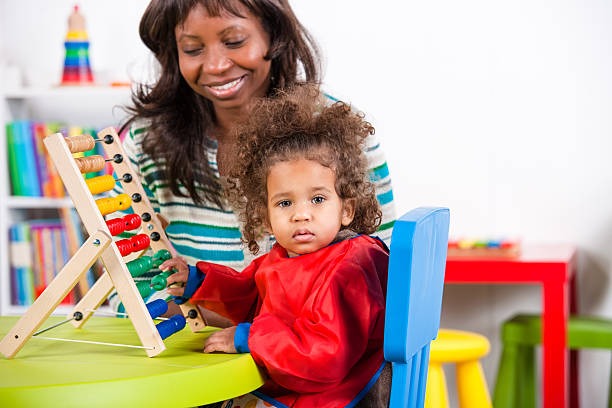
Research shows that children learn best when they are actively engaged in playful exploration. Whether it’s building with blocks, pretending to be a chef in the kitchen, or running around outside, every moment of play helps children develop their cognitive, physical, and emotional skills. As a childcare center, we focus on fostering a playful and enriching environment where children can explore, imagine, and grow.

Encourage Open-Ended Play

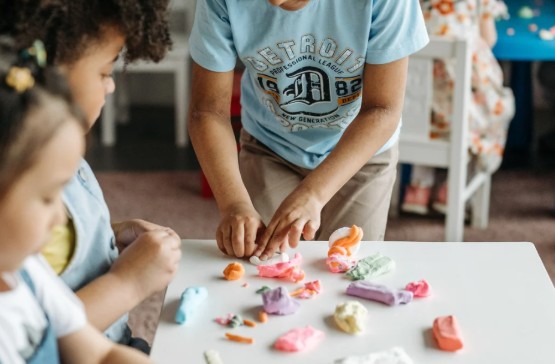
Open-ended play means activities that don’t have a fixed outcome. Things like playing with clay, drawing, building with blocks, or pretending. These types of activities allow children to explore their imagination, problem-solving abilities, and creativity. Instead of guiding their play or directing the outcome, give them the freedom to decide what they want to build or create. This kind of play helps children develop critical thinking and decision-making skills.

Integrate Learning into Everyday Play

You don’t need to create elaborate setups to teach your child valuable skills. Everyday play such as sorting toys by color, counting blocks, or baking with you in the kitchen is fun. It also easily integrates learning. This method helps children learn math, language, and life skills in a natural, stress-free way. Let your child experiment with measuring cups or identify shapes and numbers during play. They’ll absorb more while having fun.

Outdoor Exploration for Physical and Mental Development

The outdoors provides endless opportunities for play and learning. Whether your child is climbing on a jungle gym, chasing a ball, or digging in the dirt, they are strengthening their muscles, developing coordination, and learning about the world around them. Nature provides a rich environment for sensory exploration and encourages curiosity, all of which are critical to a child’s development.

Promote Social Skills Through Group Play

When children play with others, they practice essential social skills such as sharing, taking turns, communicating, and problem-solving. Encourage group play and cooperative games, like building a fort with friends or playing pretend together. These interactions teach empathy, negotiation, and conflict resolution in a playful context, helping children build emotional intelligence in the process.

At the end of the day, remember that play is meant to be joyful. It’s a way for children to unwind, explore their interests, and discover new things about themselves and the world. As parents and caregivers, it’s important to support play with a positive attitude and a spirit of encouragement. When children feel that play is valued, they will develop a lifelong love of learning.

At Abundant Blessings Child Development Center, we embrace the power of play every day. Our curriculum is designed to allow children to explore, imagine, and learn through guided play experiences that support their growth at every stage. We know that when children are given the freedom to learn through exploration, they gain more than just knowledge. They also develop the confidence and skills they need to succeed.

If you have any questions about how to incorporate more play into your child’s routine or if you’d like to learn more about our approach to early childhood education, don’t hesitate to reach out.


🏫 Abundant Blessings Child Development Center

📍1005 E Blackstock Rd, Moore, SC, United States, 29369

🌐 www.abundantblessingscdc.org

📞 (864) 574‑0910

📧 abundantblessings1005@gmail.com

We’re here to help nurture your child’s love of learning through the power of play!

How to Ease Separation Anxiety When Starting Childcare

Starting childcare is a big milestone. Not only for your little one, but for you as a parent too. We’ve supported many families through those first teary drop-offs and hesitant goodbyes. If you’re preparing to send your toddler or preschooler to daycare or preschool, know that separation anxiety is completely normal and part of the growing-up process. With a little preparation and a lot of love, you can help ease this transition and set your child up for a successful and happy start.

Talk About It Early and Often

Start talking about childcare days or even weeks before the first day. Use positive language like, “You’re going to have so much fun playing with friends!” or “Your teacher is so excited to meet you.” Let your child know that it’s okay to feel a little nervous and that they’re not alone.

Visit Together Before the First Day

If possible, schedule a visit to your childcare center before their first full day. Show them where they’ll play, eat, nap, and learn. Meeting teachers and seeing the space can help make things feel familiar and less scary.

Tip: Take photos during your visit and review them at home to help reinforce the sense of safety and routine.

Create a Quick and Confident Goodbye Routine

One of the hardest parts is the drop-off, especially in the first few weeks. Create a short and predictable goodbye routine, like a hug, a high-five, a cheerful “I’ll see you after snack time!” Then leave confidently. Lingering or sneaking away can make the anxiety worse.

Encouragement: Even if your heart is aching, showing confidence helps your child feel secure.

Bring a Comfort Object

Bringing a comfort object can help your child feel safe and connected while they adjust to a new environment. A favorite stuffed animal, blanket, or even a small photo of the family gives them something familiar to hold onto when they miss home. This gentle reminder of comfort can ease big emotions and offer a sense of security. Be sure to talk with your childcare provider about what items are allowed and label them with your child’s name. 

Tip: Let your child choose the comfort item themselves. This gives them a sense of control and makes it even more special.

Stay Consistent

Consistency is key. Even if the first few days are tough, sticking with the routine helps children adjust more quickly. Avoid taking long breaks after just a few days in care, as that can make starting again even harder.

Celebrate Small Wins

Did your child wave goodbye without tears today? Or talk about something fun they did with a teacher or friend? Celebrate it! These little moments build confidence and help your child feel proud of themselves.

Starting childcare is a big step, but with gentle support, your child will adjust, grow, and thrive. Remember, it’s okay if there are a few tough days. That’s part of the process. What matters most is that your child feels loved, safe, and supported through it all. If you need trusted childcare in Moore, SC we’re here for you every step of the way.

🏫 Abundant Blessings Child Development Center
📍 1005 E Blackstock Rd, Moore, SC, United States, 29369

🌐 www.abundantblessingscdc.org

📞 (864) 574‑0910

📧 abundantblessings1005@gmail.com

Top 5 Family-Friendly Parks Near Moore and Spartanburg SC

There’s nothing quite like the joy of outdoor play. As a childcare provider here in the heart of Moore and Spartanburg, SC, I love seeing children laugh, run, explore, and learn through nature. Whether you’re planning a weekend picnic, a weekday playdate, or just need to burn off some toddler energy, our area is full of beautiful and safe parks that are perfect for young families. If you’re searching for things to do with kids in Spartanburg SC, or looking to explore more outdoor activities for toddlers, I’ve got you covered with this list of favorite local spots.

Tyger River Park – Duncan, SC

This award-winning park is a must-visit. Tyger River Park is a favorite spot for families in the Upstate area. It has a large and well-kept playground with sections that are safe for toddlers and young children. There is also a seasonal splash pad where kids can cool off and play in the water. Families enjoy the walking trails, shaded picnic spots, and open green spaces for running or relaxing. The park is clean, safe, and perfect for a weekend outing or an afternoon of fun.

Tip: Go early in the morning or late afternoon to avoid direct sun during hot summer days. Don’t forget sunscreen and a towel for the splash pad!

Milliken Arboretum – Spartanburg, SC

Not your typical park. Milliken Arboretum is a peaceful spot for families who enjoy nature. It has wide open fields, shaded walking paths, and quiet ponds that create a calm and relaxing environment. This space is perfect for gentle walks with young children. Kids can enjoy simple sensory play like collecting leaves, watching clouds, or listening to birds.

Encouragement: Bring along a small nature journal or a sketch pad and crayons for your child to draw what they see.

Happy Hollow Park – Moore, SC

Happy Hollow Park is a small, secure playground nestled in the Converse Heights neighborhood of Spartanburg. It offers two play areas designed for different ages. Young toddlers will enjoy shorter slides, tunnels, and ground-level features, while older children use the taller slides and climbing structures. Safety swings are available too.

This park is fully gated and shaded by mature trees. Families can relax on benches or at picnic tables while keeping an eye on the kids. A small green space and paved paths offer room for simple play or strolls. There are no restrooms or official parking areas, so planning ahead is helpful

Pro Tip: Pack a few bubbles or sidewalk chalk for extra entertainment. Easy fun that never fails!

Cleveland Park – Spartanburg, SC

A favorite among many families, Cleveland Park is a beautiful and peaceful place for families. It features a large duck pond surrounded by shady magnolia trees. Visitors can wander along paved trails that circle the pond and pass by charming bridges and a gazebo on a small island.

The park also offers a well‑maintained playground called The Great Adventure. Kids can enjoy swings, climbing structures, and slides on soft rubber safety flooring. Nearby you will find picnic shelters, restrooms, and even light fitness stations along the walking paths

Tip: Bring some birdseed or oats for the ducks. It’s a simple joy that always makes kids light up.

Linville Hills Park – Moore, SC

Linville Hills Park spans about eight acres and features a paved loop trail. Families love this trail for walking, pushing strollers, or easy bike rides. Signs along the path include playful learning prompts that engage children with simple activities like hopscotch or balancing games. It has a small playground, grassy areas, and shade trees for laid-back afternoons.

Encouragement: Sometimes the best park days are the simplest ones. A snack, a blanket, and open space to explore are all you need.

Getting outdoors is one of the best ways to support your child’s development. Parks offer more than just physical exercise. They build imagination, social skills, and connection to the world around them. Whether you’re discovering new outdoor activities for toddlers or simply looking for fun things to do with kids in Spartanburg SC, our local parks are ready to welcome your family.

Looking for more family-friendly tips or quality childcare that encourages both play and learning? Come visit us!

🏫 Abundant Blessings Child Development Center

📍 1005 E Blackstock Rd, Moore, SC, United States, 29369

🌐 www.abundantblessingscdc.org

📞 (864) 574‑0910

📧 abundantblessings1005@gmail.com

Local Libraries We Love: Reading Spots That Inspire Young Minds in Upstate SC

One of the greatest gifts we can give our children is a love for reading. As a childcare provider here in Upstate South Carolina, I’ve seen firsthand how stories can spark curiosity, build vocabulary, and open up new worlds for toddlers and preschoolers. If you are searching for ways to support your child’s early literacy or looking for fun educational activities in Spartanburg SC, our local libraries are absolute treasures. 

In this post, I’m sharing some of our favorite library spots. Plus, a few tips on how to make every visit exciting and meaningful for your little ones. Whether you’re just starting to explore early literacy programs for toddlers or simply want a cozy storytime spot, you’ll love what our Upstate libraries have to offer.

Spartanburg County Public Libraries (HQ Library – Downtown Spartanburg)

This is a local gem. The children’s area is bright, spacious, and filled with interactive learning stations. They offer weekly storytimes, play-and-learn activities, and even themed reading programs throughout the year. It’s the perfect place to introduce young children to books in a playful and welcoming environment.

Tip: Ask about their “1,000 Books Before Kindergarten” program. It’s a great motivator for families to read together every day.

Cyrill-Westside Library

Tucked away on Liberty Street, this branch is peaceful and very child-friendly. It’s often less crowded than the main library and ideal for toddlers who need a quieter environment to explore books. Their storytime sessions are gentle and interactive, with songs, fingerplays, and storytelling that cater to young learners.

Encouragement: If your child is shy or nervous around groups, smaller branches like this are a great place to ease into social reading experiences.

Boiling Springs Library

Families in northern Spartanburg love this spot. It offers a warm community feel and a dedicated children’s corner that encourages imaginative play alongside reading. Staff members are wonderful at recommending age-appropriate books and helping kids get excited about reading.

Pro Tip: Pick a “library day” each week and make it part of your family routine. Kids look forward to it, and it helps them build reading habits naturally.

Inman Library

This smaller branch is cozy and often has seasonal displays and take-home activity kits for kids. They also host puppet shows, craft days, and other hands-on events that keep learning fun and interactive.

Encouragement: Check their events calendar in advance so you don’t miss special reading events that your child may love.

How to Make Library Trips Special for Young Kids

  • Let your child choose their own books
  • Use library visits as screen-free bonding time
  • Bring a small tote bag so your child can “own” their reading haul
  • Snap a picture after each trip and create a scrapbook of their reading adventures
 

Our local libraries in Upstate SC are more than just buildings with books. They’re community spaces that inspire creativity, learning, and connection. Whether you’re nurturing your child’s love of stories or simply need a quiet outing together, these reading spots across Upstate SC are a wonderful resource.

If you’re looking for more fun educational activities in Spartanburg SC or want to explore quality early literacy programs for toddlers, we’d be happy to help you get started.

🏫 Abundant Blessings Child Development Center

📍1005 E Blackstock Rd, Moore, SC, United States, 29369

🌐 www.abundantblessingscdc.org

📞 (864) 574‑0910

📧 abundantblessings1005@gmail.com.

Toddler Tantrums: What They Really Mean and How to Respond Calmly

Every parent has been there. Your toddler suddenly bursts into tears, throws themselves on the floor, or screams in frustration over something as simple as the wrong color cup. Toddler tantrums can feel overwhelming. They are a normal part of early childhood behavior. Positive parenting techniques help us guide our little ones through these tough moments.

At Abundant Blessings Child Development Center, we want to reassure you that tantrums are not signs of “bad behavior.” They are your child’s way of expressing emotions they have not yet learned to manage. Understanding what lies beneath the tantrum helps us respond with love, patience, and calm. It helps build your child’s emotional intelligence in the process.

Tantrums Are a Developmental Milestone

Tantrums are not misbehavior; they are a signal that your child is learning how to handle big feelings. Just like walking and talking, emotional regulation takes time and practice.

Look Beneath the Surface

Is your child hungry, tired, overstimulated, or feeling unheard? Often, tantrums are their way of saying, “I need help.” Observing patterns can help you prevent meltdowns before they begin.

Stay Calm and Grounded

Easier said than done, but your calm presence teaches your toddler how to manage their own emotions. Take a deep breath and speak gently. Your tone matters more than your words in these moments.

Offer Comfort and Safety First

Let your child know they are safe and loved even when they are upset. Sometimes a quiet hug, gentle words, or just sitting nearby is enough to soothe their nervous system.

Set Clear Boundaries With Love

It is okay to say no, but do it with kindness. For example, “I know you are upset because you want candy, but candy is not for before dinner.” Being firm and loving at the same time creates security.

Use Simple Language to Reflect Emotions

Helping toddlers name their feelings gives them the tools to express themselves better next time. Say things like, “You are feeling mad because your toy broke. That is really hard.”

After the Storm, Teach Gently

Once your child has calmed down, talk briefly about what happened and what they can do differently next time. Keep it simple and positive. Learning happens when emotions settle.

Take Care of Yourself Too

You cannot pour from an empty cup. Take time to care for your own emotions so you can respond with more patience and understanding. You are doing a great job, even on the hard days.

Tantrums are not just about frustration. They are opportunities to build trust, communication, and emotional growth. With early childhood behavior strategies and positive parenting techniques, you are helping your child develop the tools they need to thrive emotionally.

If you are looking for more support on toddler behavior and guidance through every stage of development, we are here for you at Abundant Blessings.

🏫 Abundant Blessings Child Development Center

📍1005 E Blackstock Rd, Moore, SC, United States, 29369

🌐 www.abundantblessingscdc.org

📞 (864) 574‑0910

📧 abundantblessings1005@gmail.com

Building Routines for Toddlers: Why Structure Supports Growth

If you’ve ever had a toddler meltdown over the “wrong” cup or resist bedtime with every ounce of energy, you’re not alone. These moments are normal and often a sign that your child is craving consistency. In early childhood education, we know that daily routines and toddler behavior go hand in hand. Creating a predictable rhythm to your child’s day helps them feel safe, confident, and ready to learn. And the best part? A well-structured routine for your child can bring more peace to your home.

We’ve seen firsthand how structure helps toddlers thrive. When children know what to expect, they can spend less time worrying and more time exploring, playing, and growing. Here are a few simple, practical tips to help you build healthy routines at home.

Start with Consistent Wake and Sleep Times

Toddlers need plenty of rest to grow and regulate their emotions. Try to keep wake-up and bedtime around the same time each day, even on weekends. A calming bedtime routine like a bath, a book, and some cuddles can signal to your child that sleep is coming. This makes it easier for them to settle down.

Break the Day into Predictable Segments

While you don’t need to follow the clock to the minute, having a general order to your day helps toddlers know what comes next. For example: wake up, breakfast, play, snack, nap, lunch, outside time, story, dinner, bath, bed. Toddlers thrive when they can anticipate what’s coming, even if they can’t yet tell time.

Use Visual or Verbal Cues

Young children respond well to simple reminders or pictures that represent different parts of their routine. You can use a visual schedule with images or even sing a fun cleanup song before transitioning from one activity to another. These cues make routines feel playful and less like a command.

Stick with Rituals During Transitions

Transitions like getting dressed, leaving the house, or starting mealtime can be tough for toddlers. Creating little rituals during these times can help them feel more at ease. A goodbye hug at the door or a song while brushing teeth can turn resistance into connection.

Give Some Choices Within the Structure

Offering choices helps toddlers feel a sense of independence while still keeping structure intact. For example, you might say, “It’s time to get dressed. Would you like the blue shirt or the red one?” The structure is that they’re getting dressed, but the choice helps them feel empowered.

Stay Flexible When Needed

Life happens. Toddlers skip naps, errands run late, and experience mood shifts. It’s okay to adjust routines occasionally. What matters most is consistency over time. Try to return to the routine gently after disruptions and offer extra comfort during transitions.

Model the Routine Yourself

Children learn so much by watching the adults around them. If you maintain your own daily rhythm with kindness and patience, your child will naturally follow your lead. Keep things simple, repeat steps often, and use encouraging language.

At Abundant Blessings Child Development Center, we structure each day with a balance of play, learning, and rest because we know that routines help children feel grounded and ready to grow. Whether it’s circle time, snack time, or quiet time, children thrive when they feel safe and know what to expect.

By building strong routines, you’re giving your toddler the foundation for healthy habits, self-regulation, and lifelong learning. If you’d like more guidance on daily routines or managing toddler behavior, we’re here to help your family build something beautiful together.

Let us know how we can support you and your child’s journey!

🏫 Abundant Blessings Child Development Center

📍1005 E Blackstock Rd, Moore, SC, United States, 29369

📞 (864) 574‑0910

📧 abundantblessings1005@gmail.com

🌐 www.abundantblessingscdc.org

10 Must-Know Tips for Choosing the Right Childcare Center

As a parent, choosing the right childcare center is one of the most important decisions you will ever make. Your child’s early learning environment plays a big role in their growth, development, and happiness. Whether you’re a first-time parent or looking to transition your child into a new program, understanding what makes a childcare center truly exceptional is essential. 

At Abundant Blessings Child Development Center, we know how much love and thought go into every decision you make for your child. Here are ten tips to help guide you through choosing the right place where your little one can feel safe, loved, and excited to learn every day.

Start with Your Priorities

Make a list of what matters most to your family. Do you want a center close to work or home? Are you looking for a strong academic program or more of a play-based approach? Knowing your non-negotiables will make your search easier and more focused.

Look for a Warm and Welcoming Environment

Pay attention to how the staff interacts with the children. Are they down at the children’s level? Do they seem nurturing and patient? A loving environment lays the foundation for your child to feel safe and confident.

Check for Proper Licensing and Accreditation

Make sure the center is licensed by the state and follows all regulations. Some centers also have national accreditations that go above and beyond basic requirements. This is a sign that they are committed to high standards in childcare and early childhood education.

Observe the Cleanliness and Safety

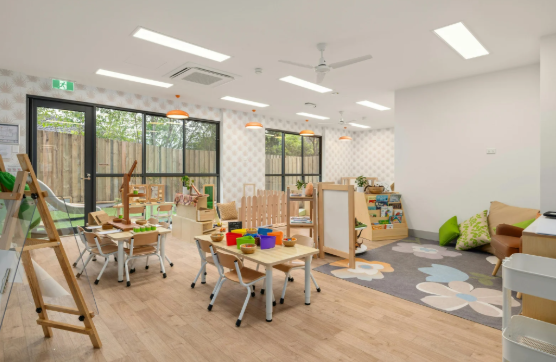
Look around for clean spaces, organized classrooms, and safety features like secure entrances, age-appropriate toys, and childproofed areas. A well-maintained center reflects the care given to children as well.

Ask About the Curriculum

Inquire about daily schedules and lesson plans. A strong program will include a mix of academic, creative, social, and physical activities designed to support a child’s whole development.

Evaluate the Teacher-to-Child Ratio

Smaller group sizes often allow for more personalized care and attention. Ask how many children are in each classroom and how many teachers are present.

Review the Center’s Policies

Ask about everything from nap times to discipline practices, meals, and sick child policies. Clear, consistent, and respectful policies create a predictable routine that helps children thrive.

Consider the Center’s Communication Style

How will they keep you informed about your child’s day? A quality childcare service values partnership with parents and provides updates, photos, or newsletters to keep you in the loop.

Visit During Operating Hours

It’s helpful to see the center in action. Watch how teachers guide transitions, handle challenging moments, and engage children in learning. A tour during active hours gives you a real feel for the atmosphere.

Trust Your Gut

Sometimes the best guide is your instinct. If a place feels right, and you see your child happy and engaged during a visit, that’s a great sign. If something feels off, don’t be afraid to keep looking.

Finding the right fit for your child takes time, but remember you are not alone. There are nurturing environments out there that will welcome your child with open arms and help them blossom. For more guidance on quality childcare services and to learn more about early childhood education, we invite you to explore what we offer at Abundant Blessings Child Development Center.

We are here to support you every step of the way.

🏫 Abundant Blessings Child Development Center

📍1005 E Blackstock Rd, Moore, SC, United States, 29369

📞 (864) 574‑0910

📧 abundantblessings1005@gmail.com

🌐 www.abundantblessingscdc.org